


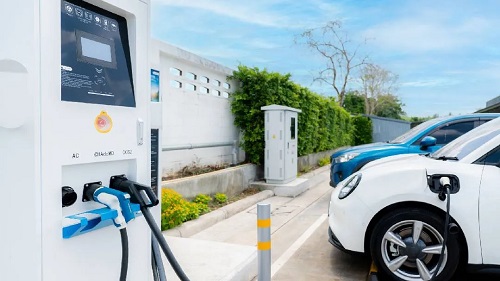
In a significant update on India's electric vehicle (EV) infrastructure push, the government has revealed that over 29,000 public EV charging stations have been installed across the country. The announcement was made by Minister of State for Heavy Industries, Shri Bhupathiraju Srinivasa Varma, in a written reply to the Lok Sabha today.
This substantial figure underscores the accelerating pace of charging infrastructure deployment, a critical component for supporting the nation's growing electric vehicle fleet and alleviating range anxiety among potential adopters.
Detailing the financial commitment behind this rollout, the Minister stated that the government has allocated more than ₹912 crore under the FAME-II (Faster Adoption and Manufacturing of Electric Vehicles) scheme. This is further bolstered by an allocation of ₹2,000 crore under the PM E-DRIVE scheme, specifically earmarked for the deployment of adequate public EV charging infrastructure nationwide.
The PM E-DRIVE scheme, in particular, represents a focused initiative to create a robust and accessible network of charging stations. To ensure systematic implementation, the Ministry of Heavy Industries issued detailed operational guidelines for the deployment of EV Public Charging Stations last year. These guidelines provide the essential framework for executing charging infrastructure projects, setting standards, and facilitating partnerships between various stakeholders.
The operational guidelines under the PM E-DRIVE scheme are designed to streamline the process for setting up public charging stations. They typically address key aspects such as:
Location and Density: Provisions for charging stations across major highways, within cities, and at public places.
Technical Standards: Adherence to safety and performance norms for chargers.
Connectivity and Payment Systems: Ensuring digital integration and interoperable payment methods for user convenience.
This structured approach aims to attract private investment, encourage entrepreneurship in the charging sector, and create a user-friendly experience for EV owners.
The announcement reinforces the government's multi-pronged strategy to promote electric mobility in India. While demand-side incentives under FAME-II have helped make EVs more affordable, the parallel focus on creating a widespread charging infrastructure addresses a fundamental barrier to adoption.
The installation of over 29,000 charging stations, supported by substantial funding and a clear policy framework, marks a pivotal step in building consumer confidence and building the necessary backbone for a sustainable electric transportation ecosystem. As these efforts continue to scale, India moves closer to its goals of reducing emissions, cutting fuel import dependence, and leading the global shift towards clean mobility.





















Leave Your Comment