


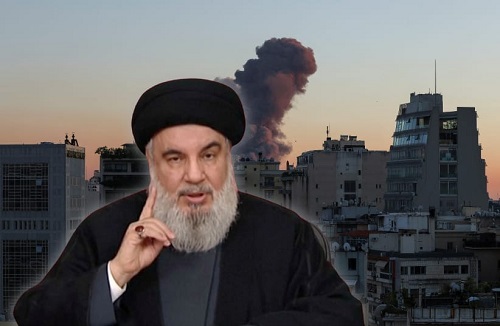
In a dramatic escalation of tensions in the Middle East, Hezbollah's Secretary-General Hassan Nasrallah has reportedly been killed in an Israeli military strike on Beirut, according to Israeli military sources. The strike comes amidst a flurry of attacks between Hezbollah and Israeli forces, marking a significant moment in the region's volatile history.
Details of the Strike
Israeli military spokesman Lieutenant Colonel Nadav Shoshani confirmed the news, stating, "Hassan Nasrallah is dead," shortly after Israeli jets targeted numerous Hezbollah sites in eastern and southern Lebanon. The strikes were in response to intense rocket fire from Hezbollah into northern Israel, which has led to widespread destruction and casualties on both sides.
Escalation of Conflict
The exchange of fire began when Hezbollah claimed responsibility for launching rockets into northern Israel, citing defensive measures against Israeli aggression. Israeli Defence Forces (IDF) responded swiftly, targeting Hezbollah strongholds in Beirut, resulting in the destruction of several residential buildings and infrastructure.
Impact on Lebanon and Beyond
Hassan Nasrallah, a prominent figure in Lebanese politics and Shiite community leadership, wielded significant influence both within Lebanon and across the Middle East. His reported death in this strike could have profound implications for regional stability and the ongoing Israeli-Lebanese conflict.
Casualties and Reactions
Reports indicate that alongside Nasrallah, several other high-ranking Hezbollah officials, including Ali Karake, were killed in the strikes. The Israeli military claims Nasrallah's role in numerous attacks against Israeli civilians and military personnel over the years, making him a central figure in regional tensions.
Humanitarian Crisis
The strikes have already caused substantial casualties and displaced tens of thousands in Lebanon, exacerbating an already dire humanitarian situation. Hospitals in Beirut's southern suburbs have been evacuated to prepare for further escalation, indicating a deepening crisis in the region.
International Response
The international community has been quick to react, with calls for restraint and dialogue amidst fears of a broader conflict. The United Nations and regional powers have urged both sides to cease hostilities and seek diplomatic solutions to avoid further bloodshed.
Future Uncertainty
As tensions remain high and uncertainty looms over the region's future, the death of Hassan Nasrallah marks a significant turning point in the Israeli-Lebanese conflict. The coming days will likely see heightened diplomatic efforts and international pressure to prevent further escalation and restore peace to the region.
The situation continues to evolve rapidly, with developments expected to shape the geopolitical landscape of the Middle East for years to come.





















Leave Your Comment