


The Gujarat health department has stepped up its disease-prevention and public health measures across flood-affected districts following last week’s heavy rains, organising 6,868 medical camps and deploying more than 18,000 surveillance teams to prevent outbreaks of water- and vector-borne diseases.
Officials said the extensive health campaign has so far provided preventive medicines to over 7.61 lakh people in the affected areas. The measures are aimed at ensuring timely medical assistance, monitoring emerging health risks and preventing the spread of diseases in areas where flooding and waterlogging have disrupted normal life.
More than 1.74 lakh people have been examined and treated at the medical camps set up across the affected districts. The camps are providing medical consultations and medicines while health teams are closely monitoring vulnerable populations for symptoms of infectious and water-borne diseases.
The department has also intensified its surveillance activities, with more than 18,000 teams conducting daily door-to-door visits in flood-affected communities. These teams are assessing health conditions, identifying people requiring medical attention and spreading awareness about preventive measures.
As part of efforts to ensure access to safe drinking water and prevent diarrhoeal diseases, health workers have distributed more than 1.05 crore chlorine tablets in affected areas. In addition, around 10.29 lakh packets of Oral Rehydration Solution (ORS) have been distributed to help residents combat dehydration, particularly in cases of diarrhoea and other illnesses.
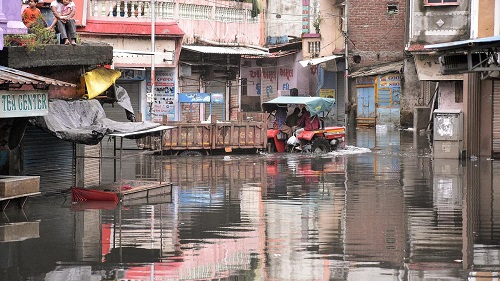
The health department's multi-pronged response comes amid concerns that stagnant water, contaminated drinking water and disrupted sanitation facilities following heavy rainfall could increase the risk of disease outbreaks. Officials are therefore maintaining close surveillance and taking preventive measures at the community level.
The deployment of a large number of surveillance teams is also intended to ensure that suspected cases are detected at an early stage and that medical intervention can be provided without delay. Door-to-door monitoring allows health workers to reach residents who may have difficulty accessing medical facilities because of flooding or damaged connectivity.
Officials said the department would continue monitoring the situation in the affected districts and strengthen preventive measures wherever required. The focus remains on early detection, treatment and ensuring the availability of essential medicines, chlorine tablets and ORS supplies.
The large-scale response reflects the health authorities' efforts to contain potential post-flood health risks while providing immediate medical support to communities affected by the recent spell of heavy rains.



















Leave Your Comment