


In a significant move aimed at curbing sensationalism in television news coverage, the Government has directed the Broadcast Audience Research Council (BARC) to immediately suspend the reporting of Television Rating Points (TRPs) for news channels for a period of four weeks.
The directive, issued by the Ministry of Information and Broadcasting, comes in the backdrop of the ongoing Israel-Iran conflict, which has dominated news cycles across the country. According to the ministry, certain television news channels have been airing content marked by “unwarranted sensationalism” and speculative reporting, raising concerns about the potential impact on public sentiment.
In its statement, the ministry emphasized that such coverage could create unnecessary panic among viewers, particularly those with family members or acquaintances residing in conflict-affected regions. The government expressed concern that exaggerated or unverified reporting may heighten anxiety and spread misinformation during an already sensitive geopolitical situation.
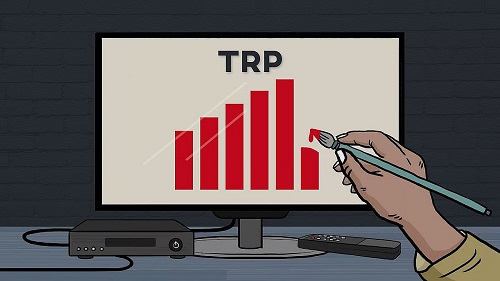
The suspension of TRP ratings—widely used as a benchmark to measure viewership and influence advertising revenues—is seen as a step to discourage competition-driven sensational reporting. By temporarily halting the ratings system, authorities aim to reduce the pressure on news channels to chase higher viewership numbers through dramatic or speculative content.
Officials clarified that the suspension will remain in effect for four weeks or until further orders are issued, whichever is earlier. During this period, broadcasters are expected to exercise greater editorial responsibility and adhere strictly to journalistic standards.
The move has sparked discussions within the media industry, with some viewing it as a necessary intervention to ensure responsible reporting, while others may raise concerns about its implications for press freedom and transparency in audience measurement.
As the geopolitical situation continues to evolve, the government has reiterated its appeal to media organizations to prioritize accuracy, restraint, and public interest in their coverage.



















Leave Your Comment