


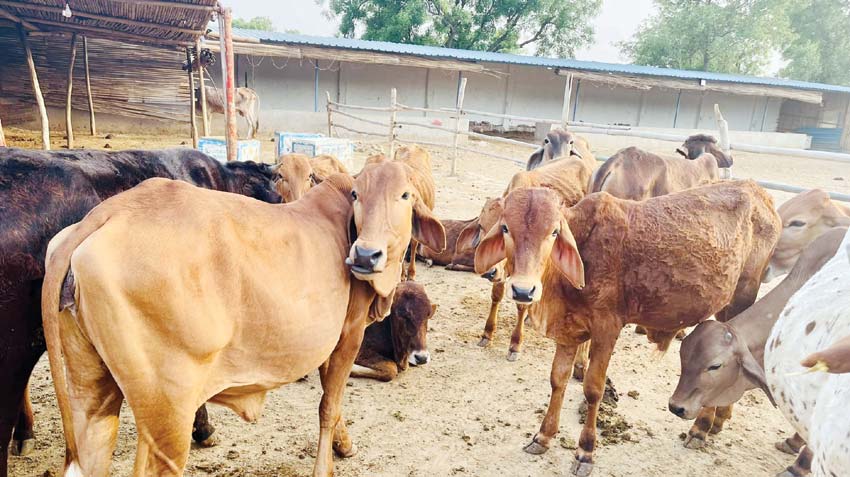
Maharashtra government’s recognition of indigenous cows as 'Rājyamātā-Gomātā' is a significant statement rooted in India’s ancient Vedic traditions, where the cow is viewed not only as an agricultural asset but as central to civilisational progress.
Maharashtra government’s decision reflects a deeper call for national action- that align to constitutional values and the need for ethical governance. Maharashtra’s move should prompt the nation to declare the Gomātā as the “National Revered Animal”, reaffirming India's commitment to sustainable development, public health, and preserving civilisational ethos.
Gomātā has been revered in India since ancient times, regarded not merely as a household asset but as a symbol of sustenance, culture, and spirituality. Ancient Vedic texts highlight the cow's significance in maintaining balance between nature, human society, and moral order. From the dawn of Indian civilization, cows have been integral to agricultural wealth and community sustenance, with governance systems recognizing them as foundational to survival and growth. Historically, kings and rulers have borne the responsibility for their protection- a noble duty central to India’s civilizational advancement. This enduring reverence shows that cows are not just economic assets but are woven into the ethical social order and public welfare. The sacred status of the cow therefore for long that in continuation, remains embedded in the nation’s religious and cultural fabric, reflecting a profound spiritual relationship that transcends mere utility. The civilisational essence of compassion and purity in harmony—rooted in the timeless bond between Gomātā, the earth, and the universe—resonates through this sacred relationship. This reverence reinforces a profound moral obligation to restore this bond. In an era of environmental challenges, it powerfully reminds us of our collective responsibility to nurture a sustainable world order, with Gomātā as a principal contributor to our well-being and ecological balance.
The Civilisational Significance
The reverence for Gomātā in Vedic literature underscores its vital role in the evolution and progress of Indian civilisation. Cows have been central to various aspects of life, making societal aspirations incomplete without their contributions. The Ṛigveda refers to the cow as Aghnya—“not to be harmed”—signifying the deep respect in which it is held. This sentiment is further reflected in the notion that "the cows sing of joy," symbolising prosperity and nourishment. The Atharvaveda reinforces this reverence by identifying the cow as an embodiment of wealth and prosperity. Similarly, the Mahabharata suggests that societies that honour cows are blessed with abundance, while the Siddhānta Śikṣāmaṇi reflects the cultural commitment to their protection.
Rooted in these ancient texts, the spiritual and material significance of cows highlights their pivotal role in ensuring the well-being and sustainability of civilisational survival. The Manusmṛti notes that kindness to cows brings prosperity, while neglect leads to downfall. With its agrarian foundation, Indian civilisation has relied on cows not only for food production but also as essential nurturers of agricultural yield. This connection is echoed in the Bhagavad Gita, which equates caring for cows with nurturing life itself. Cows are portrayed in both the Ṛigveda and Shiv Puran as divine symbols of abundance, nourishment, and wealth, crucial for both spiritual and material prosperity. In Vedic rituals, cows are venerated, with the Śatapatha Brāhmaṇa describing them as indispensable in yajnas—rituals that invoke prosperity and health. Furthermore, the Atharvaveda introduces Kāmadhenū, the wish-fulfilling cow, symbolising the divine potential of cows to meet both spiritual and material needs, reinforcing their significance in the fabric of Indian culture and society.

Economic and Agricultural significance: The economic and agricultural significance of Gomātā has been recognised throughout India’s history, from ancient texts to modern sustainability initiatives. Kautilya’s Arthaśāstra underscores the role of cattle management in agricultural stability and economic prosperity, highlighting how integral cows were to ensuring food security. This ancient wisdom resonates in today’s world, where indigenous cow breeds remain vital for sustainable agriculture and public health. Recognising cows as a national asset could revitalise rural economies, strengthen the dairy and organic farming sectors, create jobs, improve livelihoods, and drive economic growth. Empowering dairy cooperatives, which stabilise the dairy supply chain, would further enhance income security and poverty reduction while improving community welfare. This approach acknowledges cows’ agricultural contributions and their potential to drive sustainable innovation, ensuring India’s traditions thrive alongside modern economic development.
Towards Organic way of life: Ancient scriptures like the Taittirīya Saṃhitā praise the cow as a guardian of the earth, essential for maintaining fertility and ecological equilibrium. Thus, protecting cows is not only a cultural responsibility but also an environmental necessity, ensuring the well-being of both the land and its inhabitants. Cows play a crucial role in sustainable grazing practices, helping prevent soil erosion and enhance carbon sequestration. In organic farming, cows are pivotal in maintaining soil health and ecological balance through their production of cow dung, a potent organic fertiliser that enhances soil fertility by promoting beneficial microbial activity and improving biodiversity within farming ecosystems. Studies demonstrate that organic farming practices using cow dung yield higher crop productivity and healthier soils than conventional methods. Beyond agriculture, cow dung serves as a sustainable energy source; biogas production from cow dung could reduce methane emissions and dependence on fossil fuels. Furthermore, the use of cow-derived products in agricultural fertilisation supports soil health and promotes public health by ensuring the consumption of natural, nutrient-rich foods, aligning with India’s climate goals.
Integral to Public Health Ecosystem: Recognizing cows within public health discourse bridges ancient traditions with contemporary practices, reinforcing India’s commitment to sustainable development and community well-being. Integrating cow welfare into public health initiatives reflects not only this commitment but also India’s focus on community welfare, supported by both legal and ethical imperatives. The Vedic wisdom "Nourishment is life," underscores the significance of nutrient-dense foods for health. Promoting dairy products helps improve agricultural productivity while ensuring access to nutrient-rich foods, critical for vulnerable groups like children and the elderly. Cow's milk, rich in potassium, phosphorus, and vital vitamins, plays a critical role in addressing malnutrition in undernourished regions. Community health programs focused on dairy education can elevate overall quality of life, as cow’s milk provides calcium and high-quality protein, essential for growth. By improving access to milk and dairy products, collaborative efforts can address nutrient deficiencies, especially among children and expectant women.
The societal status of cows deeply influences public health by integrating traditional and modern healthcare practices. In traditional Ayurvedic medicine, cow-derived products like ghee and curd are revered for their healing properties. Ghee, in particular, is praised for its digestive benefits, as noted in the Charaka Saṃhitā "Ghee pacifies all ailments." Additionally, cow urine is recognized for its detoxifying and immunity-enhancing properties, with the Atharva Veda stating "with cow urine, life is made harmonious"- complementing modern healthcare, fostering a system that values preventive and curative measures. Balanced nutrition through cow-based products also supports mental well-being, aligning with the Bhagavad Gita’s emphasis on achieving clarity and resilience through meditative states. This holistic perspective reinforces the cow’s pivotal role in public health, linking ancient wisdom with modern nutritional needs for a healthier society.
Protection Perspectives: National
Discourse of Governance
Cow protection in India embodies a deeply ethical stance on animal welfare, emphasizing humane treatment of livestock. Historically, Indian society has revered cows, fostering a profound sense of responsibility for their care, enshrined in cultural, religious, and legal frameworks. In governance, spiritual values must remain integral, especially concerning cow treatment, reflecting an ethical approach that harmonizes spiritual and practical considerations, reinforcing commitments to non-violence (ahimsa) and animal welfare. However, cow protection should not be confined to ethical values alone but must be upheld through legal mandates and cultural imperatives. In a democracy, the ethical responsibilities of individuals and the state must intertwine, forming a cohesive mandate for the novel need of cow protection. India's identity, moral fabric, and national priorities should focus on this issue, especially in the face of climate change and food security challenges. Sustainability and food security are tied to the rural economy, which cannot thrive without a robust cow ecosystem. As climate extremities increase, India must promote sustainable agricultural practices with cows at the centre. Organic farming, eco-friendly harvesting, and regenerative agriculture align with India's environmental goals, where cow dung and urine should be scientifically advanced to support sustainability. A well-developed rural ecosystem will enhance economic prosperity and public health, making cow protection crucial not just for ethical governance but for ecological and economic resilience as well.
Ethical Dimensions Protection: Declaring the cow as the National Revered Animal would elevate these ideals, symbolizing a commitment to ethical governance that respects all life forms. Officially designating the cow as the National Revered Animal would represent an emblem of nourishment, abundance, and prosperity, embodying a model of governance that nurtures both people and the environment. Additionally, formalizing the cow’s status could help alleviate social tensions, foster communal harmony, and reinforce a collective identity rooted in shared traditions. By recognizing the cow in this capacity, the government would strengthen the ethical and philosophical foundations that support a just and sustainable society, ultimately contributing to a culture of respect and responsibility toward all living beings. This move would not only enhance India’s commitment to sustainable development, public health, and ethical governance but also establish it as a global leader in advocating for animal welfare and responsible environmental practices.
Political- Civilizational Reinforcing: Cow protection in India must transcend legislative considerations and comprehensively accommodate the country’s civilizational ethos and inherited practices. This framework, comprising legal mandates, cultural imperatives, and ethical responsibilities, must underscore the compulsory need to safeguard cows while restoring their unique place within Indian social mainstream. The political recognition of the cow as India’s National Revered Animal would hold immense civilizational importance, reaffirming the nation’s dedication to sustainable resilience and honouring centuries of cultural and spiritual traditions. This declaration would affirm the cow's critical role in farming practices and rural economies, resonating with millions of farmers and bolstering their pride and purpose. Most importantly, declaring Gomātā as the National Revered Animal would emphasize the recognition of, most notably, indigenous cows as vital to driving sustainable progress, enhancing public health, fostering ethical animal welfare, bolstering rural economies, and advancing essential climate goals.
Comprehensive Protection Measures: The reverence for cows is codified in ancient scriptures, where the killing of cows is condemned as an egregious offense. Texts like the Atharva Veda and Manusmṛti prescribe harsh punishments for those who harm or kill cows, underscoring the cow’s sacred status within Indian spiritual and legal traditions. In the present context, India’s legal and constitutional frameworks must evolve to adopt a stricter and more scientific approach to cow protection, aligning with the nation’s civilizational ethos. This comprehensive legal structure must underscore respect and reverence for Gomātā, which remains central to economic and environmental sustainability, while ensuring the banning of inhumane treatment. The legal framework governing cow protection in India must be intrinsically woven into the Indian constitutional fabric, with the Prevention of Cruelty to Animals Act, 1960 being strengthened by incorporating unique aspects and provisions from various state laws with similar purposes. The Directive Principles of State Policy, which emphasise the promotion of modern agricultural practices and animal husbandry- that must be clearly adhered to in the updated law, with an explicit focus on the preservation and enhancement of cattle breeds to reinforce the State's role in ensuring cow welfare. Additionally, penal provisions against cow slaughter must be made more stringent, and all supporting judicial interpretations and judgments must be integrated into the larger legal comprehensive framework. Constitutional bodies like the Animal Welfare Board of India must be strengthened - expanded with a wider mandate; and the central government must initiate the establishment of the “National Institute of Cow Health and Disease Control Research” patterned on the model of AIIMS in each state- as the dedicated centre for advanced research, focusing on the health and well-being of cows, while addressing critical issues related to disease control and management. Furthermore, promoting sustainable grazing practices must be integrated into agrarian laws, with the existing subsidy incentives for farmers attached to this as the pre-conditions.
Conclusion
Maharashtra's government’s recent decision to designate indigenous cows as 'Rājyamātā-Gomātā' serves as a clarion call for the nation to decisively declare the cow as the “National Revered Animal” - reaffirming India's commitment to sustainable development, public health, and the preservation of its civilisational moral force. This recognition urging India to evolve its legal and constitutional frameworks to adopt a stricter and more scientific approach to cow protection. By aligning with the nation’s civilizational ethos, this initiative can revitalize rural economies while reinforcing the interconnectedness of health, nutrition, and agriculture, staying true to India’s rich cultural heritage. Furthermore, positioning India as a global leader in sustainable farming can showcase how ancient wisdom informs modern governance, promoting indigenous cow breeds and organic agriculture to address pressing challenges from malnutrition to climate change.
(The content of this article reflects the views of writers and contributors, not necessarily those of the publisher and editor. All disputes are subject to the exclusive jurisdiction of competent courts and forums in Delhi/New Delhi only)

By DR. PADMALOCHAN DASH





















Leave Your Comment