


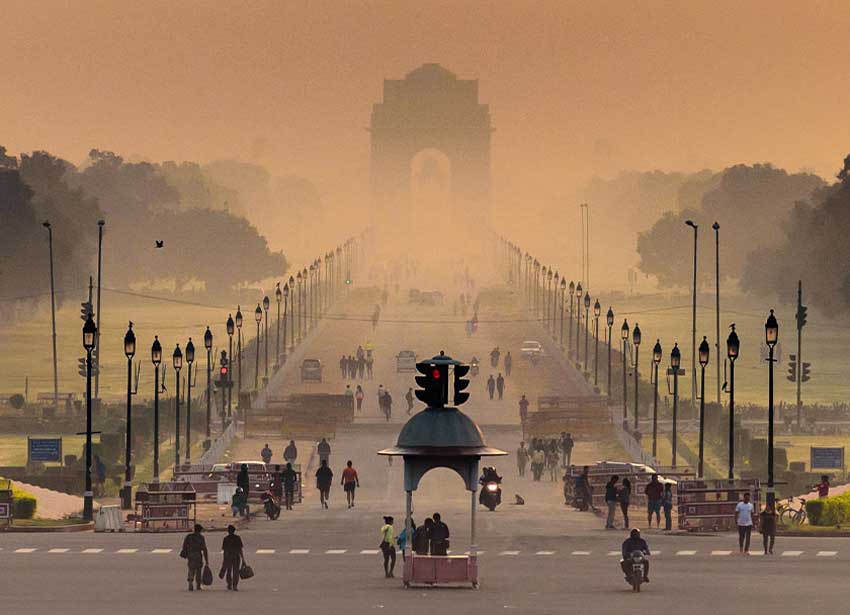
Delhi-NCR, the bustling capital region of India, has been grappling with a persistent and growing menace – air pollution. The situation escalates each year as winter arrives, primarily due to the burning of crop residues or stubble in the neighboring states of Punjab and Haryana. This annual practice exacerbates air quality, poses severe health risks, and demands immediate attention for a sustainable solution. Against this backdrop, it is apt to say that stubble burning is the practice of setting agricultural fields on fire to clear the remains of the previous crop and prepare the land for the next sowing season. In the case of Delhi-NCR, this practice is most prevalent after the rice harvest, as farmers prepare their fields for the winter wheat crop. The crop residue, primarily rice straw, is often set ablaze due to the cost-effectiveness and convenience it offers. Stubble burning releases an abundance of particulate matter or PM, particularly PM2.5 and PM10, into the atmosphere. These fine particles can penetrate deep into the respiratory system and cause a wide range of health issues, including asthma, bronchitis, and heart disease. What is more, stubble burning also contributes to the emission of greenhouse gases, including carbon dioxide and methane. These gases trap heat in the atmosphere, exacerbating global warming and climate change. Furthermore, the thick haze caused by the smoke from stubble burning reduces visibility, leading to dangerous road conditions and accidents. The deteriorating air quality in Delhi-NCR during the stubble burning season results in a severe public health crisis. Respiratory illnesses, cardiovascular diseases, and even premature deaths become more prevalent. Children and the elderly are particularly vulnerable to these health risks, with long-term consequences that can affect their quality of life. Worsening air pollution due to stubble burning has far-reaching economic consequences. Medical expenses increase due to health issues, and productivity declines as people fall sick. Tourism and outdoor activities are also affected, impacting the livelihoods of many who depend on these sectors.
Therefore, what are the solutions to address stubble burning and air pollution? Encouraging farmers to adopt alternative methods to dispose of crop residues, such as mulching, composting, or using them as animal feed, can reduce the need for stubble burning. Providing financial incentives, subsidies, and support to farmers for purchasing machinery that can help manage crop residues without burning. Raising awareness among farmers about the negative impacts of stubble burning and educating them about sustainable alternatives is crucial. Farmers should be empowered with knowledge and resources to make informed decisions. Developing better waste management systems for crop residues in rural areas can help reduce the reliance on stubble burning. This can involve setting up biomass collection centers and recycling facilities. Enhancing air quality monitoring and disseminating real-time information to the public can help individuals take precautionary measures during periods of high pollution. Stringent enforcement of existing laws and regulations regarding stubble burning is necessary. Penalties should be imposed on those who flout the rules. Collaborative efforts between neighboring states, as well as the central government and local authorities, are essential to tackle the issue collectively. Implementing coordinated policies and sharing resources can go a long way in addressing the problem. Conclusively, the impact of worsening air pollution due to stubble burning in Delhi-NCR is a pressing issue that requires immediate attention. The health and economic consequences of this annual practice are significant and cannot be ignored. It is imperative that both short-term and long-term solutions are implemented to mitigate the problem. Encouraging sustainable farming practices, providing financial incentives to farmers, raising awareness, and enforcing existing laws are some of the steps that can help address the issue. Regional collaboration and a collective commitment to improving air quality are essential for a cleaner and healthier future for Delhi-NCR and its residents.

By Deepak Kumar Rath




















Leave Your Comment