


A deadly explosion near a mosque inside the Old Police Lines compound in Kohat, Pakistan’s Khyber Pakhtunkhwa province, killed at least 16 people and injured more than 50 others during Friday prayers on September 18. Five police personnel were among those killed. Authorities launched a major rescue and security operation following the blast, while no militant group had immediately claimed responsibility.
A powerful explosion ripped through the vicinity of a mosque at the Old Police Lines compound in Kohat district of Pakistan’s Khyber Pakhtunkhwa on Friday, killing at least 16 people and leaving more than 50 others injured. The blast occurred during Friday prayers, when the mosque was crowded with worshippers, triggering panic and a large-scale rescue operation. Five police personnel were among those killed, according to provincial police officials.
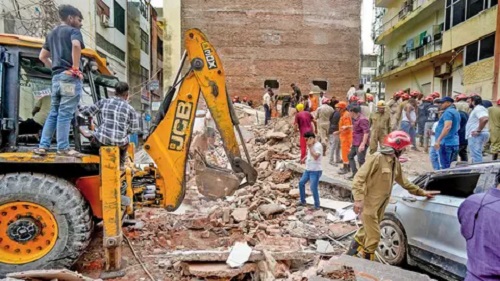
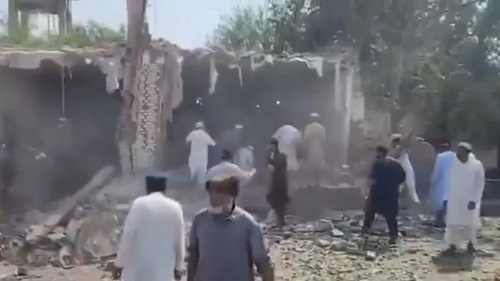
The explosion caused extensive damage to the mosque and nearby structures. Videos circulating on social media showed damaged walls and debris scattered around the site, while local residents and rescue workers were seen attempting to pull injured people from the affected area.
According to officials, the incident involved an explosives-laden vehicle that rammed into the Old Police Lines area. Police later reported that another suspected suicide attacker detonated explosives near the Special Branch building. A security operation was also underway inside the compound, with police and counter-terrorism personnel engaging suspected militants. Officials said one attacker had been killed.
Rescue 1122 teams rushed to the scene after receiving information about the explosion. Rescue officials said injured people were given first aid before being transported to nearby hospitals. The District Headquarters Hospital in Kohat declared an emergency as casualties were brought in for treatment.
The attack has once again highlighted the precarious security situation in Khyber Pakhtunkhwa, a province bordering Afghanistan that has witnessed repeated attacks by militant groups. The Pakistani Taliban, or Tehreek-e-Taliban Pakistan (TTP), and affiliated factions have remained a major security challenge in the region, particularly against police and military installations.
The timing and location of the Kohat attack are particularly significant because the blast occurred within a police compound and during Friday prayers. Mosques located inside or near security installations have previously been targeted in Pakistan. In January 2023, a suicide bombing at a mosque inside Peshawar’s Police Lines killed more than 100 people, most of them police personnel.
The latest incident came amid fresh military activity against militants in the province. Pakistani authorities said earlier that security forces had killed 10 suspected TTP militants in separate intelligence-based operations in North Waziristan and Hangu between September 15 and 17. The developments underline the continuing cycle of militant attacks and security operations in the region.
There was initially no confirmed claim of responsibility for the Kohat explosion. Some reports have speculated about the involvement of smaller militant factions, including Ittehad-ul-Mujahideen Pakistan, but these claims remain unverified. Authorities had not officially attributed the attack to that group.
Pakistan’s political and security leadership condemned the bombing. President Asif Ali Zardari and Prime Minister Shehbaz Sharif expressed grief over the casualties and injuries, while authorities directed rescue agencies and security forces to continue their operations.
As rescue and security operations continued, officials warned that the casualty figures could change as damaged sections of the compound were searched. The attack has added to mounting concerns over militant violence in Khyber Pakhtunkhwa, where security forces continue to conduct operations against armed groups.




















Leave Your Comment