


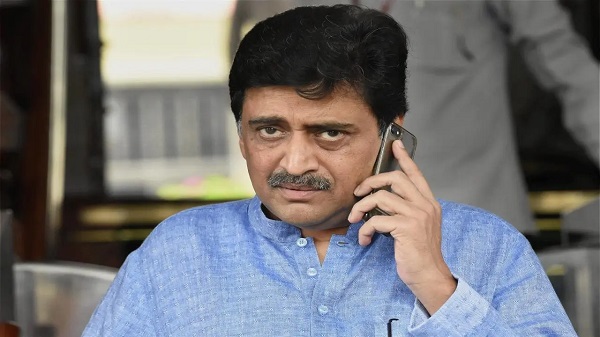
In a surprising turn of events, former Chief Minister of Maharashtra, Ashok Chavan, announced his decision to join the Bharatiya Janata Party (BJP) on Tuesday, just a day after resigning from the Indian National Congress. This move marks a significant shift in Maharashtra's political landscape and has sparked discussions and speculations across the nation.
Chavan, a seasoned politician with a long-standing association with the Congress party, made his decision public earlier today while speaking to reporters. "I am joining the BJP today at its office in Mumbai. Today is the beginning of my new political career," he stated, expressing his resolve to embark on a new journey within the realm of Indian politics.
When questioned about whether he had received any communication from senior Congress leaders Sonia Gandhi and Rahul Gandhi regarding his departure, Chavan chose not to provide a direct response, leaving the matter open to interpretation. This silence on the matter hints at underlying tensions or unresolved issues within the party, adding layers to the narrative surrounding his exit.
Despite his transition to the BJP, Chavan maintained that he had not actively solicited Congress workers or supporters to join him in his new political affiliation. This assertion underscores his intention to carve out a distinct path without disrupting existing party dynamics or engaging in overt attempts to sway allegiance.
Reacting to Chavan's decision, Deputy Chief Minister Devendra Fadnavis expressed contentment and welcomed the former Chief Minister into the BJP fold. Fadnavis lauded Chavan's extensive political experience and contributions to Maharashtra's governance, acknowledging his roles in both the Vidhan Sabha and Lok Sabha, as well as his tenure as Chief Minister and service in various ministries. The warmth of Fadnavis' reception indicates a strategic move by the BJP to leverage Chavan's political acumen and regional influence for their own objectives.
Fadnavis also urged the state BJP president, Bawankule, to officially induct Chavan into the party ranks by signing the necessary paperwork. This public endorsement underscores the BJP's eagerness to integrate Chavan into their organizational structure swiftly, signaling a proactive approach to capitalize on the momentum generated by his defection.
The ramifications of Ashok Chavan's decision to join the BJP are likely to reverberate throughout Maharashtra's political ecosystem. His move not only reflects individual agency but also hints at broader shifts in political alliances, ideologies, and power dynamics within the state. As the political landscape continues to evolve, Chavan's transition serves as a compelling narrative, inviting scrutiny, analysis, and anticipation of its broader implications on Maharashtra's future trajectory.




















Leave Your Comment