


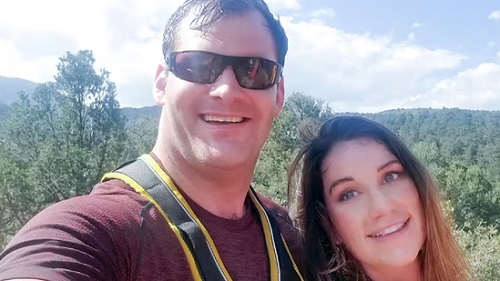
A tragic and shocking act of violence unfolded on New Year's Day in Las Vegas, as a Tesla Cybertruck explosion outside the Trump International Hotel injured seven people and claimed the life of its orchestrator, Matthew Livelsberger, a former member of the US Army's elite Green Berets. Authorities identified Livelsberger, a decorated combat veteran, as the individual responsible for the bombing, which he described in digital notes as a "personal act of cleansing" and a "wake-up call."
Two digital notes found on a charred mobile phone in the rented Cybertruck provided insight into Livelsberger's mindset and motivation. “This was not a terrorist attack, it was a wake-up call,” one note stated, according to Las Vegas police. Livelsberger further wrote, “I needed to cleanse my mind of the brothers I've lost and relieve myself of the burden of the lives I took.”
The second note contained a grim warning about the state of American leadership. He condemned what he referred to as "weak and feckless leadership" and urged citizens, particularly veterans and servicemen, to take action against what he perceived as the country’s decline. “We are the United States of America... right now we are terminally ill and headed toward collapse,” Livelsberger wrote.
Livelsberger's body, burned beyond recognition, was identified through his passport and military ID found in the destroyed vehicle. Federal officials suggested that his actions were likely driven by severe post-traumatic stress disorder (PTSD) and other personal struggles.
An FBI special agent, Spencer Evans, called the incident “a tragic case of suicide involving a heavily decorated combat veteran.” Livelsberger had served in Afghanistan during 2017 and 2018 and was known for his patriotism and vocal support of President-elect Donald Trump.
Authorities revealed that Livelsberger planned his final journey in great detail. After leaving his home in Colorado Springs on December 26 following a domestic dispute, he rented the Tesla Cybertruck through a car-sharing app and began his trip to Las Vegas. Surveillance footage showed him stopping at several charging stations along the way.
The journey ended outside the Trump International Hotel, where he detonated explosives stored in the Cybertruck and took his own life with a firearm.
The bombing injured seven people, leaving a scene of chaos and destruction in its wake. Investigators are now piecing together the full scope of Livelsberger's planning and motives. His actions have sparked conversations about mental health issues among veterans and the need for better support systems for those dealing with PTSD.
While Livelsberger referred to his act as a “wake-up call,” the tragedy underscores the urgent need to address mental health crises among veterans and the challenges they face reintegrating into civilian life. As the investigation continues, the nation mourns the lives impacted by the explosion and reflects on the struggles of those who have served.
This incident, marked by its complexity and devastation, serves as a grim reminder of the mental health challenges many veterans endure, often in silence.




















Leave Your Comment