


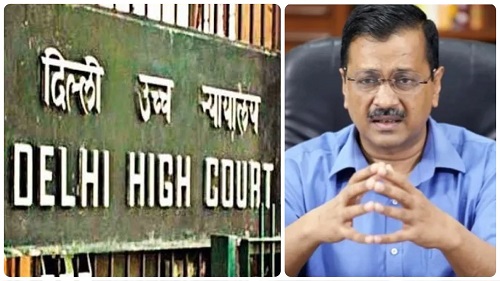
In a significant ruling, the Delhi High Court has dismissed Chief Minister Arvind Kejriwal's plea challenging his arrest by the Enforcement Directorate (ED) in the Excise Policy money laundering case. The decision comes as a blow to Kejriwal, who has been embroiled in legal battles surrounding allegations of financial impropriety.
The ED's investigation into the Excise Policy money laundering case had led them to take action against Kejriwal, with the agency claiming to possess substantial evidence implicating the Chief Minister. The dismissal of his plea by the High Court indicates that the court found the ED's actions justified and supported by adequate material.
One of the key arguments presented by the Enforcement Directorate was Kejriwal's failure to cooperate with their investigation. The court noted that his non-cooperation and the delay caused by him had significant implications, especially for those individuals already in judicial custody. This observation underscores the importance of timely and efficient cooperation with investigative authorities, particularly in cases involving serious allegations.
The decision by the Delhi High Court reaffirms the principle that no individual, regardless of their position or political affiliation, is above the law. It emphasizes the need for accountability and transparency in governance, especially when it comes to matters of financial integrity and public trust.
For Arvind Kejriwal, a prominent figure in Indian politics known for his anti-corruption stance, this ruling represents a setback. It not only tarnishes his image but also raises questions about his administration's commitment to upholding ethical standards.
The case against Kejriwal highlights the challenges faced by authorities in combating corruption and financial crimes. It underscores the importance of robust investigative mechanisms and the role of the judiciary in ensuring accountability and dispensing justice.
While the legal proceedings continue, this ruling serves as a reminder of the complexities involved in governance and the constant need for vigilance against corruption. It also sends a strong message that those entrusted with public office must be held to the highest standards of integrity and accountability.
As the case unfolds further, it remains to be seen how Arvind Kejriwal and his legal team will respond to this setback. In the broader context, it underscores the ongoing battle against corruption and the imperative for transparency and accountability in public life.
















Leave Your Comment