


In a significant blend of welfare measures and infrastructure-driven development, Delhi Chief Minister Rekha Gupta on Tuesday presented a ₹1,03,700 crore budget for the 2026–27 financial year. The budget outlines an ambitious roadmap for the National Capital Territory, balancing social support schemes with long-term urban transformation goals.
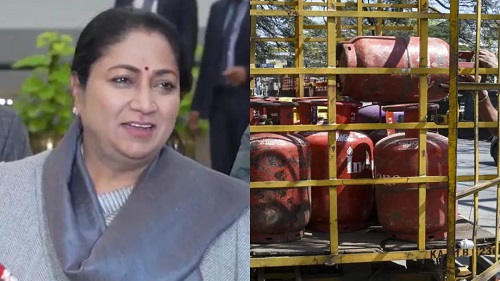
A major highlight of the budget is the allocation of ₹260 crore to provide two free LPG cylinders per household annually, to be distributed during the Hindu festivals of Holi and Diwali. The move is aimed at easing the financial burden on families while promoting cleaner cooking fuel usage.
The government has allocated ₹11,666 crore to the Municipal Corporation of Delhi, reinforcing its commitment to improving civic services. Additionally, ₹3,942 crore has been earmarked for the power sector, alongside ₹200 crore specifically dedicated to removing overhead electrical wiring—an initiative expected to enhance safety and aesthetics.
The budget also includes:
To address water supply and sanitation challenges, ₹9,000 crore has been allocated to the Delhi Jal Board. An additional ₹475 crore will go towards the Chandrawal water treatment plant to ensure uninterrupted water access.
Infrastructure development remains a key priority:
The government also plans to build an integrated secretariat and residential complex for its employees.
Citing incidents like the Palam fire tragedy, Gupta announced ₹674 crore to strengthen Delhi’s firefighting infrastructure. She highlighted the challenges posed by narrow lanes and congested unauthorized colonies, emphasizing the need for modern emergency response systems.
Calling it a “green budget,” Gupta stressed that Delhi is undergoing a transitional phase focused on sustainability, safe roads, and seamless connectivity. The budget estimates tax revenue at ₹74,000 crore, while noting that Delhi’s per capita income remains the third highest in the country.
She also took a subtle dig at the previous Aam Aadmi Party government led by Arvind Kejriwal, stating that a “culture of freebies” had impacted revenue growth, particularly between 2018 and 2020.
Ahead of the budget session beginning March 23, Gupta held consultations with various sections of society, including transgender community members, gig workers, and labourers. She emphasized that public participation played a crucial role in shaping the budget.
“Our aim is safe roads, climate corridors and flawless connectivity,” Gupta said, adding that the government seeks to deliver a comprehensive roadmap for a developed Delhi.


















Leave Your Comment