



Deepak Kumar Rath
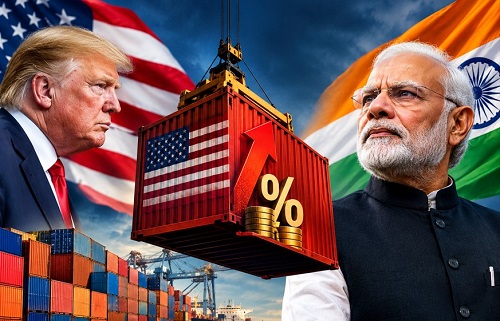
US Secretary of State Marco Rubio’s visit to India comes amid a shifting global order that is exposing the limitations of Washington’s reliance on economic coercion to shape the policies of emerging powers. US President Donald Trump’s aggressive tariff strategy appears rooted in the assumption that America’s economic dominance can persuade other nations to align their decisions with US priorities. India’s response, however, underscores a fundamental reality of contemporary geopolitics: economic pressure cannot automatically translate into political compliance, particularly when it confronts a country determined to safeguard its strategic autonomy and national interests. The underlying message is clear: India welcomes cooperation but rejects the notion that partnership requires political submission. This distinction is central to understanding the significance of Rubio’s visit and the broader evolution of India-US relations. India’s energy requirements illustrate the practical foundations of this strategic autonomy. With more than 85 per cent of its crude oil requirements met through imports, India remains vulnerable to international price fluctuations, supply disruptions and geopolitical rivalries. Oil prices influence transportation costs, industrial production, inflation and household expenditure, making energy procurement a matter of national economic security. Consequently, India cannot allow another country’s political preferences to determine its sources of supply. Its continued engagement with Russia, despite American pressure, reflects a pragmatic assessment of price competitiveness, reliability and domestic requirements. India’s refining capabilities further strengthen its position. The Jamnagar refining complex in Gujarat, with capacity of approximately 1.4 million barrels per day, demonstrates the country’s ability to process crude oil into valuable petroleum products and connect domestic industrial capacity with international markets. Such infrastructure enhances India’s economic significance beyond its role as a major energy consumer. Against this backdrop, it cannot be gainsaid that the India-Russia economic relationship reinforces this argument. Bilateral trade reached approximately $68.7 billion in the financial year 2024–25, while both countries established a target of $100 billion by 2030. Nevertheless, the relationship faces challenges, particularly the substantial trade imbalance and the need to expand Indian exports. These concerns require sustained economic negotiations rather than an abrupt departure from established partnerships. India must diversify its commercial relationships, improve export competitiveness and secure favourable energy arrangements. Its engagement with Russia does not negate the importance of the United States; rather, it reflects an effort to prevent excessive dependence on any single partner. A mature foreign policy requires maintaining multiple relationships while evaluating each through the prism of national interest.
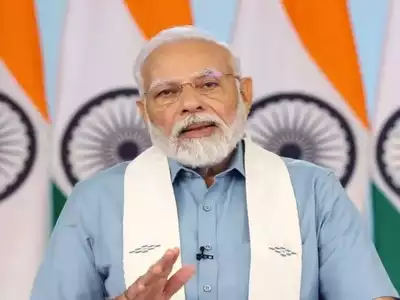
It is noteworthy that Modi’s approach highlights the importance of strategic patience in diplomacy. Responding to every provocation with public confrontation may generate political attention but does not necessarily produce favourable outcomes. By maintaining its policy choices despite external pressure, India has demonstrated that diplomatic resolve need not depend on rhetorical escalation. This approach should not be mistaken for indifference towards Washington. India-US cooperation remains important across defence, advanced technology, trade and Indo-Pacific security. Both countries have substantial incentives to deepen their engagement, but lasting cooperation requires mutual respect and recognition of legitimate differences. Tariffs may influence commercial calculations; they cannot automatically dictate another sovereign country’s foreign policy. Rubio’s visit therefore offers an opportunity to move bilateral relations beyond coercive economic calculations towards a more balanced partnership. The United States must recognise that India’s growing economic weight and strategic importance make a relationship based on unilateral demands increasingly impractical. Equally, India must address trade disputes through sustained negotiations while protecting its energy security and economic interests. Strategic autonomy does not mean isolation or hostility; it means retaining the freedom to cooperate with different powers without surrendering independent judgement. Ultimately, the strength of India-US relations will depend not on Washington’s ability to compel compliance, but on both countries’ capacity to reconcile differences through dialogue. India’s position is straightforward: it seeks friendship without subordination, cooperation without coercion and prosperity without compromising national sovereignty.


















Leave Your Comment