


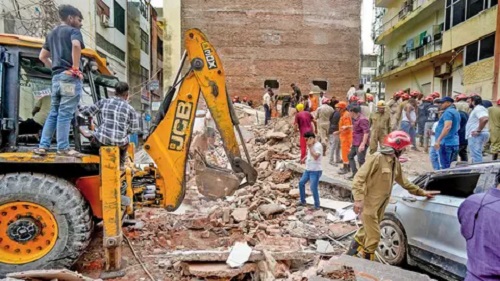
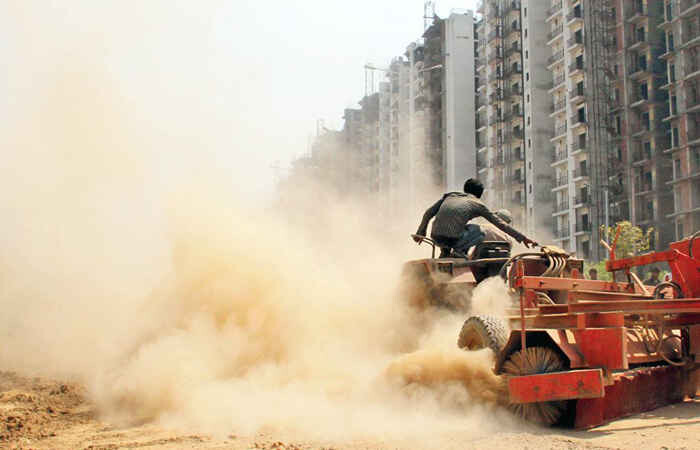
Construction dust is a pervasive and insidious hazard that poses a grave threat to all, particularly children. Its minuscule size grants it the ability to bypass the body's natural defenses, infiltrating deep into the lungs where it can wreak havoc.
The primary reason why construction dust is so lethal is its composition. It is a conglomeration of fine particles that are derived from various materials such as concrete, wood, drywall, and paint. These particles can contain harmful chemicals such as silica, lead, and asbestos, which can cause a myriad of health problems.
Silica is a particularly hazardous component of construction dust. When inhaled, silica particles can lodge deep in the lungs and cause inflammation and scarring. This can lead to a condition known as silicosis, which is a progressive and incurable lung disease. Silicosis can cause shortness of breath, coughing, and chest pain. In severe cases, it can lead to disability and death.
Lead is another dangerous component of construction dust. Lead exposure can damage the nervous system, particularly in children. It can cause learning disabilities, behavioral problems, and seizures. In high doses, lead can be fatal.
Asbestos is a fibrous mineral that was once widely used in construction materials. Asbestos exposure can cause a type of cancer known as mesothelioma. Mesothelioma is a rare and aggressive cancer that affects the lining of the lungs, abdomen, or heart. There is no cure for mesothelioma, and the prognosis is often poor.
Children are especially vulnerable to the harmful effects of construction dust because their lungs are still developing. Children also breathe more air per pound of body weight than adults, so they inhale more dust particles. Additionally, children's immune systems are not fully developed, making them more susceptible to infections.
Exposure to construction dust can cause a variety of health problems in children, including:
In addition to the immediate health risks, exposure to construction dust can also have long-term consequences. Studies have shown that children who are exposed to construction dust are more likely to develop respiratory problems later in life.
Construction dust is also an environmental hazard. In addition to the health risks posed to humans, construction dust can also have a negative impact on the environment.
In order to minimize the environmental impact of construction dust, it is important to implement dust control measures.




















Leave Your Comment