


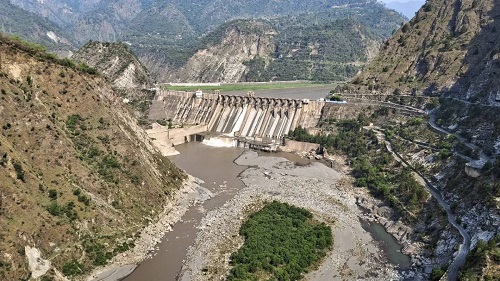
In a significant move amidst heightened diplomatic tensions, India has closed the gates of the Baglihar Hydroelectric Power Project and Salal Dam, resulting in a notable decrease in water levels along the Chenab River in parts of Jammu and Kashmir near Pakistan. This action marks the second consecutive day of gate closures, following the suspension of the Indus Waters Treaty and in response to recent geopolitical developments.
The closure of these gates has led to an unprecedented drop in water levels, allowing residents in downstream areas to walk across the riverbed—an occurrence unseen in living memory. This decision by India comes in the wake of a terror attack in Pahalgam on April 22, prompting a series of diplomatic measures aimed at recalibrating relations with Pakistan.
The Indus Waters Treaty, established in 1960, governs the usage rights of the Indus River system, including the Chenab, Jhelum, Ravi, Beas, and Sutlej rivers between India and Pakistan. The recent suspension of this treaty underscores India's strategic response to regional security concerns and its sovereignty over water resources crucial to both nations.
To mitigate adverse effects on aquatic life, India has implemented controlled releases of water through limited gate operations at the Salal and Baglihar dams. This precautionary measure ensures minimal ecological impact while allowing India to assert control over downstream water flows.
Local sentiments in the affected regions have largely supported Prime Minister Narendra Modi's decision to suspend the treaty and regulate water flows to Pakistan. Expressing solidarity with the Indian Army and government, residents emphasized the importance of national security and sovereignty in managing shared water resources.
The Baglihar and Salal dams, integral to India's hydroelectric infrastructure, were subject to international scrutiny during their construction, with Pakistan initially contesting India's control over river flows. Subsequent negotiations, facilitated by the World Bank, resulted in compromises such as the reduction in the Baglihar Dam's height to accommodate mutual concerns.
As India navigates these complex geopolitical waters, the regulation of river flows emerges as a critical element in safeguarding national interests while managing regional hydrological dynamics. The ongoing developments along the Chenab River underscore the delicate balance between bilateral water agreements and national security imperatives in South Asia.
With tensions continuing to evolve, the future of water management in the region remains intricately tied to broader diplomatic engagements and strategic imperatives between India and Pakistan.





















Leave Your Comment