


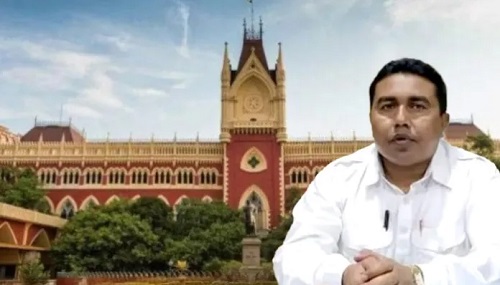
In a significant development, the Calcutta High Court has issued an order demanding the West Bengal government to transfer the custody of suspended Trinamool Congress (TMC) leader Sheikh Shajahan to the Central Bureau of Investigation (CBI) by 4:15 pm. This decision follows the CBI's assertion that the state government should be held in contempt for failing to comply with the court's directive regarding Shajahan's involvement in the January 5 attack on Enforcement Directorate (ED) officials in Sandeshkhali.
The CBI, in its submission before the High Court, highlighted the non-compliance of the Bengal Criminal Investigation Department (CID) with the court's previous order to hand over Shajahan to the investigative agency. Additional Solicitor General (ASG) SV Raju, representing the ED, emphasized the urgency of the situation, pointing out that there was no stay order from the Supreme Court against the High Court's directive. Raju deemed the government's action as contemptuous, insisting that the purpose of the court's order would be undermined if not executed promptly.
The counsel representing the CBI reiterated the agency's efforts to communicate the High Court's instructions to all relevant authorities in West Bengal, including the Director General of Police (DGP) and Chief Secretary. However, they expressed dismay at the response received from the DGP, who cited the matter being sub judice before the Supreme Court and advised the CBI to await its decision.
The Calcutta High Court's involvement in this matter stems from its previous characterization of the Bengal Police as "totally biased" and its subsequent decision to transfer the investigation into the Sandeshkhali attack to the CBI. Despite this ruling, the West Bengal government opted to challenge the decision in the Supreme Court. Meanwhile, the police refused to relinquish custody of Sheikh Shajahan to the CBI, citing the pending legal proceedings.
In response to the ongoing legal tussle, the West Bengal government, represented by senior advocate Abhishek Singhvi, urgently requested the Supreme Court to list its plea for hearing.
The unfolding events underscore the complexities and tensions surrounding the legal and political landscape in West Bengal. The clash between state and central agencies, coupled with the involvement of prominent political figures, adds layers of intricacy to an already contentious situation. As the legal battle ensues, the fate of Sheikh Shajahan and the broader implications for law enforcement and political accountability remain subjects of intense scrutiny and debate.



















Leave Your Comment