


In a significant diplomatic move, nearly three dozen nations are convening on Thursday in an urgent effort to restore maritime traffic through the Strait of Hormuz—a critical global oil artery that has been brought to a near standstill amid the ongoing US-Israeli conflict with Iran. The disruption has already sent shockwaves through international markets, with crude oil prices surging and supply chains under strain.
The virtual meeting, confirmed by British Prime Minister Keir Starmer, will be chaired by Foreign Secretary Yvette Cooper. The agenda focuses on identifying “all viable diplomatic and political measures” to reopen the strategic waterway, ensure the safety of stranded seafarers, and resume the global flow of essential commodities.
Iran’s recent strikes on commercial vessels, coupled with warnings of further escalation, have effectively halted shipping activity in the strait. As the narrow passage connecting the Persian Gulf to international waters, the Strait of Hormuz is responsible for transporting a substantial share of the world’s oil supply. Its closure has intensified the global energy crisis, with ripple effects across fuel prices, inflation, and economic stability.
Notably absent from the meeting is the United States. President Donald Trump has distanced Washington from the initiative, asserting that safeguarding the strait is not America’s responsibility. In a blunt message to allies, Trump urged nations dependent on the route to “go get your own oil” and take charge of securing their energy lifelines.
During a White House address, Trump emphasized America’s energy independence, stating that the US possesses sufficient domestic oil and gas reserves and does not rely on the strait. His remarks have placed greater responsibility on European and Asian nations to lead diplomatic and logistical efforts in resolving the crisis.
Despite the urgency, countries are treading cautiously on military action. With Iranian forces maintaining the capability to target vessels using missiles, drones, naval mines, and fast attack craft, no nation is currently prepared to forcibly reopen the route.
However, Starmer indicated that military planners from participating countries will soon engage in discussions to explore options for securing safe passage once hostilities subside. This signals a phased approach—prioritizing diplomacy now while preparing contingency plans for the future.
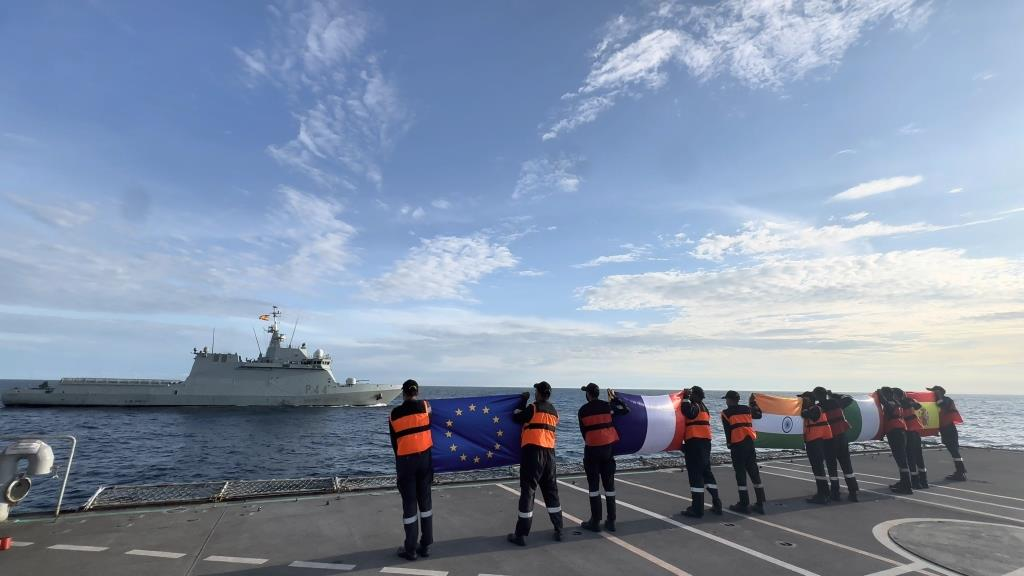
In a unified show of concern, a coalition of 35 countries—including the UK, France, Germany, Italy, Canada, Japan, and the UAE—has issued a joint statement urging Iran to cease its obstruction of the waterway. The group has pledged to contribute to coordinated efforts aimed at ensuring maritime security and restoring normalcy.
Follow-up discussions at the technical level are expected to shape a comprehensive action plan, potentially involving naval coordination, escort mechanisms, and international monitoring frameworks.
The initiative also reflects Europe’s growing ambition to assert greater responsibility in global security affairs. The coalition effort bears resemblance to the “coalition of the willing” model used in supporting Ukraine, highlighting a shift toward more proactive regional leadership.
This comes at a time when transatlantic relations face renewed uncertainty, particularly after Trump’s recent remarks suggesting a possible US withdrawal from NATO. European leaders appear keen to demonstrate unity and capability in managing crises independently.
As tensions in the Middle East continue to escalate, the fate of the Strait of Hormuz has become a litmus test for international diplomacy and cooperation. The outcome of Thursday’s meeting could determine not only the stability of global energy markets but also the future of collective security efforts in an increasingly fragmented geopolitical landscape.
For now, the world watches closely as nations attempt to navigate a path between confrontation and cooperation in one of the most strategically vital corridors on the planet.

















Leave Your Comment