


The attack on a US base in northeast Jordan, resulting in the deaths of three service members and the injury of at least 34 others, marks a concerning escalation in tensions within the region. The drone strike, attributed to radical Iran-backed militant groups, underscores the volatile dynamics and complex geopolitical landscape of the Middle East.
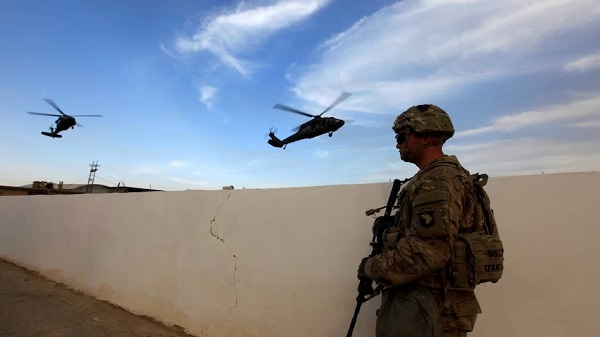
According to US officials, the strike occurred overnight at Tower 22, a small outpost near the Syrian border. The targeted living quarters amplified the devastation, leading to a significant number of casualties. President Biden has unequivocally pledged to hold those responsible for the attack accountable, emphasizing the gravity of the situation and the unwavering commitment to protecting American personnel stationed in volatile regions.
However, conflicting reports emerged regarding the exact location of the attack. While US officials assert that the strike occurred within Jordanian territory, Jordanian authorities claim it took place in Syria, targeting the al-Tanf base. The disparity in accounts underscores the fog of war and the challenges associated with verifying precise details amid heightened tensions.
Iran, through its mission to the United Nations, vehemently denied involvement in the attack, distancing itself from the incident and emphasizing its lack of connection to the assault on the US base. The statement from Iran underscores the intricate web of alliances and conflicts characterizing the region, where proxy groups operate with varying degrees of autonomy and allegiance.
This incident follows a series of escalations involving Iran-affiliated groups and US forces in the region. Just last month, US airstrikes targeted Iran-affiliated factions in response to a drone attack on a base in northern Iraq, which left three US service members injured. The cycle of retaliatory strikes and counter-strikes underscores the precarious nature of regional stability and the potential for further escalation.
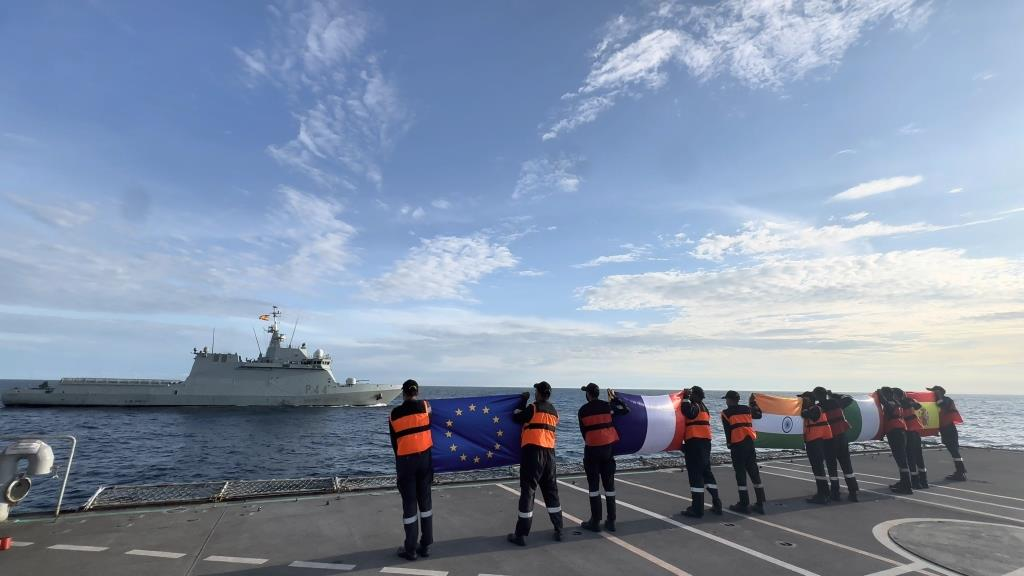
Furthermore, the presence of US and coalition troops in the Red Sea, prompted by Iran-backed Houthi attacks on commercial ships, adds another layer of complexity to the volatile landscape. The strategic positioning of military assets underscores the broader geopolitical interests at play and the imperative to safeguard vital maritime routes amid escalating tensions.
As the situation continues to unfold, diplomatic efforts and strategic dialogue will be essential in de-escalating tensions and preventing further bloodshed. The latest attack underscores the urgent need for robust security measures and heightened vigilance in safeguarding military personnel deployed in volatile regions where the specter of conflict looms large. Ultimately, the path to stability and peace in the region hinges on constructive engagement, diplomatic dialogue, and a concerted effort to address underlying grievances and disputes.


















Leave Your Comment