


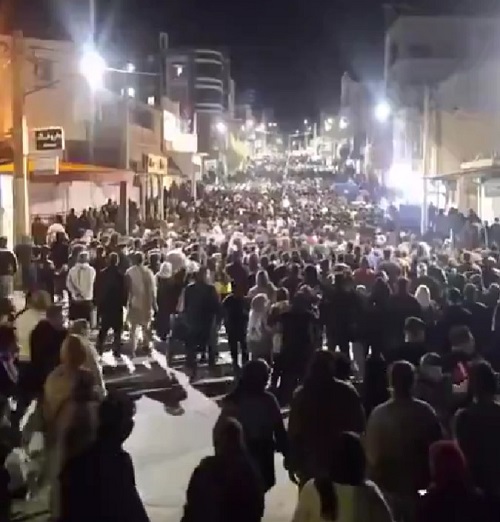
A tense and contradictory quiet has descended upon Iran’s major cities, even as a leading human rights organization inside the country starkly announced that the death toll from the state’s crackdown on nationwide protests has risen to at least 3,090. The streets of Tehran are reportedly calm, and shops have reopened, signaling a surface-level return to routine. This veneer of normalcy, however, is fractured by a week-long nationwide internet blackout and the echoes of severe threats from the highest echelons of the Islamic Republic’s leadership.
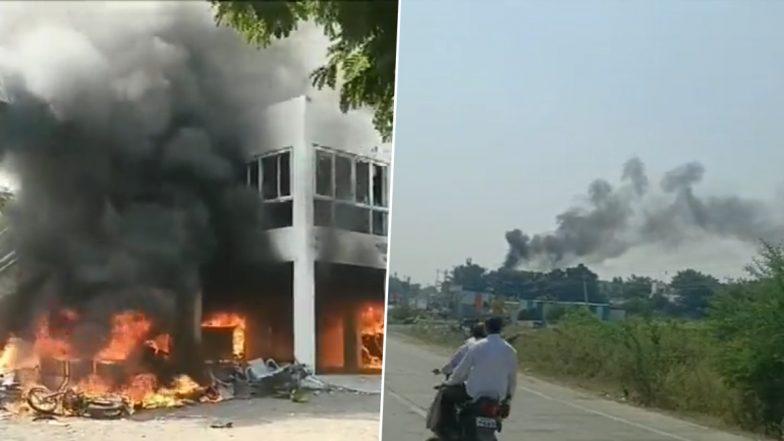
The protests, which ignited on December 28th over a crippling economic crisis marked by soaring inflation and the collapse of the national currency, evolved into one of the most significant challenges to Iran’s clerical establishment in years. The scale of the unrest is reflected in official figures acknowledging widespread destruction: authorities reported damage to 350 mosques, 126 prayer halls, 400 hospitals, 106 ambulances, and 71 fire vehicles.
Hardline Rhetoric and an Unlikely Acknowledgment
Amid this uneasy calm, hardline voices have grown more strident. In a Friday sermon broadcast on state radio, Ayatollah Ahmad Khatami, a prominent member of the Assembly of Experts, called for severe retribution. He demanded the death penalty for what he termed "rioters" and issued a direct threat to U.S. President Donald Trump, warning, "You who set fire to the livelihood of people... God willing, your turn will come."
In a starkly contradictory international response, President Trump—who has championed a "maximum pressure" campaign against Iran—publicly thanked Iranian leaders. His gratitude was for the reported cancellation of "hundreds of executions" of detained protesters, a claim that could not be independently verified and was met with deep skepticism by human rights observers who fear a wave of secret trials and executions.
Voices from Exile and a Promise of Return
From abroad, exiled Crown Prince Reza Pahlavi, son of the last Shah of Iran, seized the moment to urge Iranians to continue their protests. In statements, he positioned himself as a unifying figure for the opposition and made a symbolic pledge, promising to return to Iran "if the regime falls." His involvement highlights the complex and fragmented nature of the Iranian opposition, both inside and outside the country.
A Nation at a Crossroads
The current scene in Iran presents a nation at a crossroads. The reopened shops and calm streets suggest the state's security apparatus has, for now, regained physical control. Yet, the massive death toll, the extensive internet censorship designed to hide evidence and stifle organization, and the violent rhetoric from pulpits indicate a regime deeply shaken.
The economic grievances that sparked the protests remain utterly unresolved, simmering beneath the surface of the enforced quiet. The dichotomy between the internal crackdown and the external geopolitical posturing, combined with the bold promises from exiled royalty, sets the stage for a volatile and uncertain future. The "normalcy" on display in Tehran appears fragile, a temporary pause rather than a resolution, with the memory of the 3,090 reported deaths casting a long shadow over the Islamic Republic.














Leave Your Comment