


LHB coaches made up of stainless steel are more durable than ICF rakes and have a very robust safety record with reference to high-speed derailments.
On July 18, 2024, around 10 to 12 coaches of 15904 Chandigarh-Dibrugarh Express derailed at a high speed near Gonda in Uttar Pradesh. The accident claimed the lives of just two people, while two others sustained grievous injuries. Around 20 people suffered some minor injuries which got treated at a local hospital. The locomotive pilots of the train also survived the crash. Despite of the intensity of the accident, the casualty figures were minimal as the train was using modern LHB (Linke-Hofmann-Busch) coaches introduced during the Modi era which are much safer when compared to the old ICF (Integral Coach Factory) rakes introduced in the Congress-led UPA era.
Now in contrast to the previous incident, on June 17, 2024, a CONCOR goods train collided with 13174 Agartala-Sealdah Kanchanjungha Express near New Jalpaiguri station in West Bengal. The crash reportedly happened at a speed of around 80 km per hour and three coaches of Kanchanjungha Express were totally derailed, while two coaches of the train were mangled beyond identification. The accident killed almost 9 people including the loco pilot of the goods train and the guard of the passenger train. The crash allegedly happened as the automatic signaling system in the area wasn’t functional and manual signaling procedures were being followed. The 13174 Agartala-Sealdah Kanchanjungha Express was using outdated ICF (Integral Coach Factory) coaches (introduced during the Congress-led UPA era) during the accident.
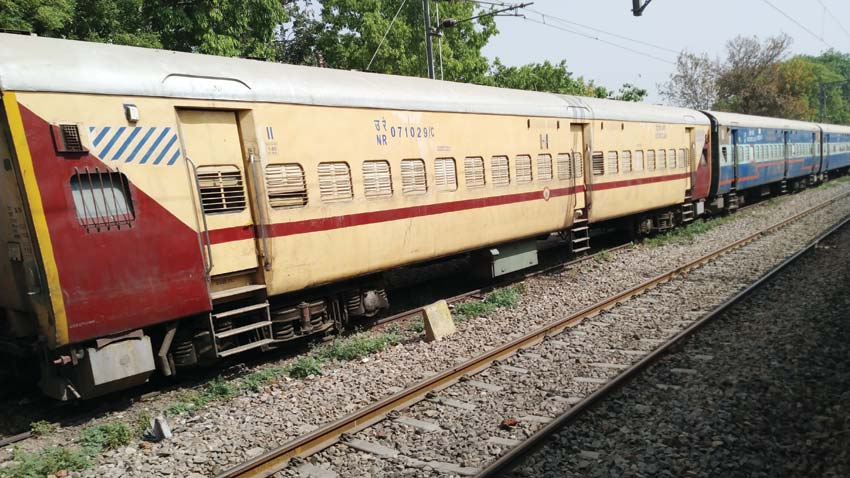
Outdated ICF rakes (meat grinders) of Congress era
The age old ICF rakes introduced during the Congress-led UPA era have been proved as a big safety menace time and again. On January 13, 2022, a derailment of the 15633 Bikaner-Guwahati Express occurred in North Bengal which killed 9 passengers and injured 50 people. That train was also using Congress era ICF coaches during the crash. The CAG (Comptroller and Auditor General) has repeatedly warned the government in the past against the usage of ICF rakes and has asked the government to replace all ICF rakes with modern LHB (Linke-Hofmann-Busch) coaches made from stainless steel to make rail travel safer for passengers.
In November 2020, the CAG in its audit report said that ICF coaches have led to 98 percent more deaths as compared to LHB coaches. According to the CAG report, out of 20 train accidents (including derailments and collisions) between 2014 and 2018, 17 trains had ICF and three had LHB coaches. In accidents of trains with ICF coaches, 371 people lost their lives and 1,142 were injured while in accidents involving LHB coaches, six people died and 115 sustained injuries. The report said that no casualty was reported on June 25, 2014, when Dibrugarh Rajdhani Express (LHB coaches) overturned despite high-speed derailment but 38 passengers were killed and 150 were injured after Dehradun-Varanasi Janta Express with ICF derailed near Bachhrawan railway station on March 20, 2015.
Time to ramp up LHB production
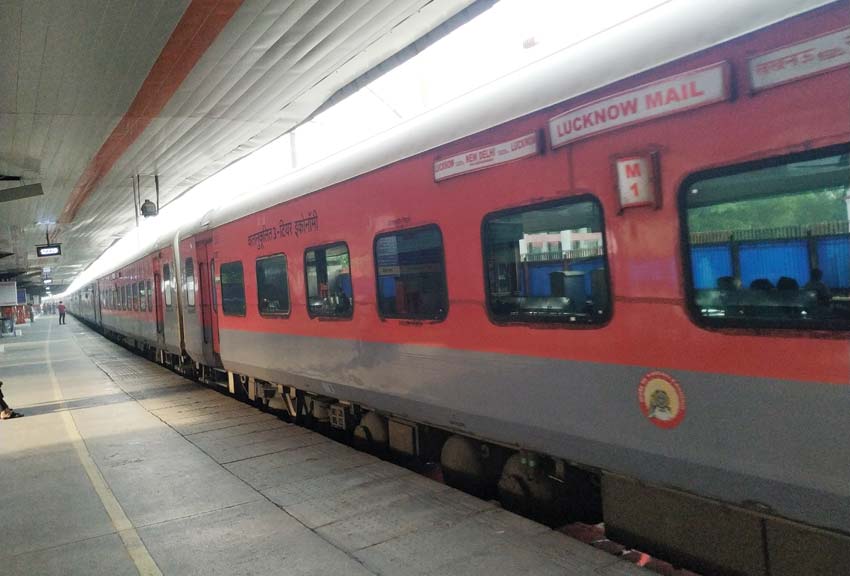
The production of ICF rakes have been permanently stopped since 2014, after the Modi government took over. The then union railway minister Piyush Goyal had promised in 2017 that all ICF rakes in the railways would be replaced by safer LHB rakes by 2022. In September, 2020, the CAG once again red flagged the usage of ICF rakes and stated that with the present rate of production, it would take 8 more years to replace all ICF rakes with LHB rolling stock.
With the current rate of production of LHB coaches (7000 coaches manufactured in FY- 2023-24 as declared by the Ministry of Railways), LHBfication of the entire ICF fleet seems to be like a distant goal. At present LHB rakes are being manufactured by the Integral Coach Factory in Chennai, Modern Coach Factory (MCF) in Raebareli and the Rail Coach Factory (RCF) in Kapurthala. But the government has still not achieved the target of delivering on this promise.
According to the Ministry of Railways report of January 2024, 50.5 percent of the total passenger rolling stock of Indian Railways is LHB, whereas 49.5 percent is of ICF fleet. Around 35,450 traditional ICF coaches need to be replaced with LHB coaches.
Why do we need LHB coaches?
LHB rakes have significant advantages over traditional ICF rolling stock. Some of the advantages of LHB rakes are as follows:
• Anti-climbing features: LHB coaches are designed with anti-climbing features to prevent them from mounting over each other during a collision. This helps minimise the severity of accidents.
• Crash worthiness: LHB rakes are designed to be crashworthy, meaning they can absorb and dissipate energy during a collision to minimize the impact forces on passengers. This contributes to passenger safety in the event of an accident.
• Fire retardant materials: The materials used in the construction of LHB coaches are often fire-resistant, reducing the risk of fire-related accidents and providing passengers with additional safety.
• Emergency braking system: LHB rakes are equipped with advanced braking systems that can be applied in emergency situations. This helps in reducing the speed of the train quickly, minimising the impact in case of an impending collision.
• Safety during derailment: LHB coaches are designed to minimise the risk of injury to passengers in the event of a derailment. The design takes into account factors like overturning and rolling during derailment scenarios.
• Improved suspension system: LHB rakes have advanced suspension systems that provide better stability and control. This contributes to the overall safety and comfort of passengers, especially during high-speed travel.
• Energy-absorbing couplers: The couplers used in LHB coaches are designed to absorb energy during collisions, reducing the force transmitted to the connected coaches and minimizing the risk of telescoping.
• Advanced signaling and communication systems: LHB coaches are equipped with modern signaling and communication systems that enhance the overall safety of train operations. These systems help in maintaining safe distances between trains and improving communication between the train crew and control centers.
Proven safety record of LHB coaches
LHB coaches made up of stainless steel are more durable than ICF rakes and have a very robust safety record with reference to high-speed derailments. In August 2021, the Guwahati-Howrah Saraighat Express derailed derailed near Chaygaon railway station in Assam during which no casualties were reported. In October 2023, four coaches of North East Express which led to just four casualties. The 2023 Balasore tragedy in Odisha would have been much worst had the Indian Railways used ICF coaches in Coromandel Express and SMVT Bengaluru-Howrah Superfast Express.
ICF trains which need immediate replacement
Other than the 13174 Agartala-Sealdah Kanchanjungha Express, many other trains are still running with ICF rakes. The 13141 Teesta Torsa Express, 12311 Netaji Express (previously known as Kalka Mail), 13163 Hate-Bazare Express, 12130 Azad Hind Express and 12363 Kolkata-Haldibari Tri-Weekly Intercity Express are all running by using ICF coaches, and new LHB rakes for these important trains have not been received by their respective divisions. A highly placed source in the Indian Railways have stated that by the end of the current financial year, work towards replacing all ICF rakes with LHB rolling stock will be completed. But looking at the current rate of production of LHB rakes, the goal seems unreal.
It is high-time for the Modi government to step out of its Vande Bharat (Train-18) conundrum and look deeply into the genuine cause of saving human lives. The union government has done a commendable job in terms of electrification of railway tracks. As of July 1, 2024, 96.96 percent of the Indian Railways’ broad gauge network is electrified, with the objective of 100 percent electrification slated to be reached in the next four months. LHBfication of trains should be the next big goal of the government which must be taken up on priority. The Gonda incident and the North Bengal rail tragedy should be the eyeopener for all.
Perhaps it is time for the union government to lay a wider budget outlay for increasing capital expenditure for expanding the existing LHB coach manufacturing plants so that more number of trains can be equipped with stainless steel-made LHB rakes by replacing the ageing ICF rakes. Eradicating the ICF fleet from the Indian Railways will not just make the railways safer for the common man but will also delete the black ICF chapter of the Congress era which has time and again proved to be a meat grinder. The target should be to replace all ICF coaches within a couple of years along with track renewal and revamping the Kavach anti-collision system for pan-India route coverage.
The recent mandate received during the Lok Sabha elections has once again proved that the proletariat has full faith in Prime Minister Narendra Modi and the NDA government’s policies. Now it is time for the incumbent government to pay back to the society by trashing the age old corrupt Congress-era sin of ICF rolling stock. With a decisive and strong government at the helm of affairs, a modern railway fleet fully made up of LHB as well as Train-18 rakes in the next couple of years won’t be an impossible goal to achieve, provided there is a political will to do so.

By Amartya Sinha
(The content of this article reflects the views of writers and contributors, not necessarily those of the publisher and editor. All disputes are subject to the exclusive jurisdiction of competent courts and forums in Delhi/New Delhi only)



















Leave Your Comment