


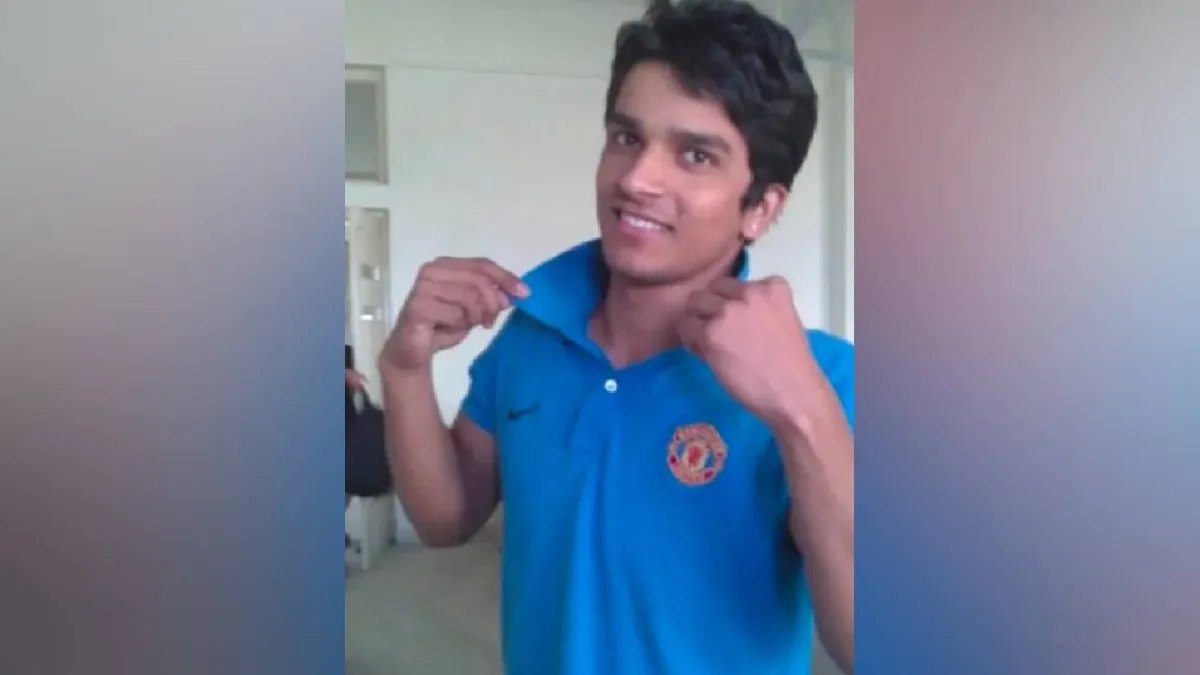
In a deeply moving and historic moment for India’s medical and legal landscape, Harish Rana—the country’s first individual to be granted passive euthanasia—passed away on Tuesday at the All India Institute of Medical Sciences after remaining in a coma for over 13 years.
Rana, 31, had been in a persistent vegetative state since 2013 following a tragic fall from a fourth-floor balcony during his time as a BTech student at Panjab University. The accident caused severe head injuries, leaving him entirely dependent on artificial nutrition and intermittent oxygen support for survival.
Earlier this month, on March 11, the Supreme Court of India delivered a landmark judgment allowing passive euthanasia in Rana’s case. The court directed that the withdrawal of life-sustaining treatment be conducted through a carefully monitored and humane process, ensuring dignity in death.
Following the ruling, Rana was shifted from his residence in Ghaziabad to the palliative care unit at the Dr BR Ambedkar Institute Rotary Cancer Hospital within AIIMS Delhi on March 14. Under medical supervision, his nutritional support was gradually withdrawn in accordance with established ethical and clinical guidelines.
A specialised medical team, led by Dr. Seema Mishra, professor and head of anaesthesia and palliative medicine, oversaw the process. The multidisciplinary team included experts from neurosurgery, onco-anaesthesia, psychiatry, and palliative care—marking the first time such a coordinated effort was undertaken in India for passive euthanasia.
Passive euthanasia refers to the deliberate withdrawal or withholding of medical interventions necessary to sustain life, allowing a terminal or permanently unconscious patient to die naturally. While legally and ethically complex, the Supreme Court’s decision in this case reaffirmed the principle of dying with dignity under exceptional circumstances.
The days leading up to Rana’s passing were marked by profound emotional moments. A video that surfaced online captured his family’s final farewell—an intimate and heartbreaking glimpse into their grief. His mother sat beside him, visibly distraught, while a member of the Brahma Kumaris gently applied a tilak on his forehead, offering spiritual solace and urging forgiveness and peace in his final moments.
The Rana family, who share longstanding ties with the Brahma Kumaris, had received support from the organisation in navigating the legal process that ultimately led to the Supreme Court’s approval.
Harish Rana’s death not only closes a long chapter of personal suffering but also opens a new and sensitive dialogue in India about end-of-life care, patient autonomy, and the ethical boundaries of medical intervention. His case will likely serve as a precedent in shaping future policies and discussions surrounding passive euthanasia in the country.
















Leave Your Comment