


As Prime Minister Narendra Modi celebrates his 75th birthday, India stands at the threshold of unprecedented transformation. Having secured a historic third consecutive term, Modi has established himself as one of India’s most consequential leaders, fundamentally reshaping the nation’s trajectory both domestically and internationally. At 75, he remains a figure of remarkable vitality and intellectual acuity, demonstrating the same untiring stamina and sharp political instincts that have characterised his decade-long tenure as Prime Minister.
Modi’s journey from Gujarat’s Chief Minister to India’s longest-serving non-Congress Prime Minister represents more than just political success—it embodies a paradigmatic shift in how India perceives itself and projects its power on the global stage. As of August 2025, Modi has served over 4,070 days as Prime Minister, making him the third-longest-serving Prime Minister in Indian history, surpassed only by Jawaharlal Nehru and Indira Gandhi.
A Quest: From Developing to Developed Nation
The Growth Trajectory Revolution
Perhaps Modi’s most significant achievement lies in fundamentally altering India’s economic narrative. Under his leadership, India has emerged from the shadow of being labelled a “poor country” to become one of the world’s fastest-growing major economies. The latest economic indicators paint a compelling picture of this transformation: India achieved a robust 7.8% GDP growth in the first quarter of 2025, significantly outpacing China’s projected 4.6% growth and exceeding virtually every other major economy globally, even as the ill-informed or those who were jealous of Narendra Modi at home and abroad beat their solo drums saying ‘India is a dead economy!’ with no takers in sight.
This remarkable economic performance comes despite what Modi has termed “challenges arising from economic selfishness”—a clear reference to the ongoing tariff disputes and protectionist policies adopted by various global powers. While many nations have scrambled to negotiate with the United States over tariff rates, India has maintained its stoic composure and confidence, reflecting the structural strength of its economy under Modi’s stewardship.

The International Monetary Fund’s projection of 6.5% growth for India in 2024 places it well ahead of developed economies like the UK, which is expected to grow by merely 0.6%. This sustained high growth trajectory has positioned India on track to become the world’s third-largest economy, representing a quantum leap from its earlier status.
Structural Economic Reforms
Modi’s economic vision extends far beyond growth statistics. The “Make in India” initiative, launched in 2014, has completed a transformative decade, fundamentally altering India’s manufacturing landscape. The country has evolved from being primarily an importer of manufactured goods to becoming a significant global manufacturing hub. Mobile phone manufacturing exemplifies this transformation—India has become the world’s second-largest mobile phone manufacturer, with domestic production meeting over 95% of local demand while also establishing a significant export base.
The semiconductor sector represents another frontier where Modi’s vision is taking shape. At the recent Semicon India 2025 summit, the Prime Minister emphasised that “the world trusts India, believes in India, and is ready to build the semiconductor future with India.” This confidence stems from India’s demonstrated capabilities in technology and innovation, backed by substantial government investment in creating a comprehensive semiconductor ecosystem.
Financial inclusion has been another cornerstone of Modi’s economic strategy. The Jan Dhan Yojana, launched in his first term, has brought over 500 million previously unbanked Indians into the formal financial system, creating the foundation for a digital economy that has become one of the world’s most advanced.
Digital India and Technological Leapfrogging
The Digital India initiative has transformed the country’s technological infrastructure. India now boasts the world’s largest digital payments system, with the Unified Payments Interface (UPI) processing over 100 billion transactions annually. This digital revolution has not only improved financial inclusion but has also created new economic opportunities and enhanced government service delivery.
The success of India’s digital public infrastructure has garnered international attention, with several countries seeking to replicate the Indian model. This technological leadership has positioned India as a global digital power, contributing significantly to its soft power projection.
Foreign Policy: Strategic Autonomy and Global Leadership
Redefining India’s International Posture
Modi’s foreign policy achievements represent a fundamental recalibration of India’s international posture. Moving beyond traditional non-alignment, he has crafted a strategy of “strategic autonomy” that allows India to engage with multiple partners while maintaining its sovereign decision-making capacity. This approach has been particularly evident in India’s handling of the Russia-Ukraine conflict, where India has maintained its relationships with both Moscow and the West while advocating for peace and dialogue. From the earlier rut of non-alignment, Modi’s India is in alliance with Peace! And Prime Minister Modi declares it openly and eloquently at home and at the world forums as well.
The transformation in India’s global standing is perhaps best reflected in the country’s presidency of the G20 in 2023, which was widely acclaimed as one of the most successful G20 presidencies in recent years. Under Modi’s leadership, India used the platform to champion the interests of the Global South, launching initiatives like the Global Biofuels Alliance and securing the inclusion of the African Union as a permanent member of the G20.
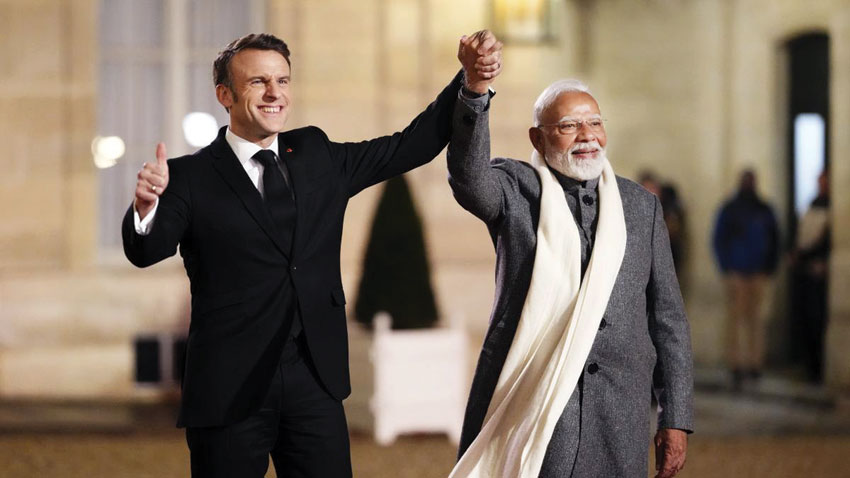
As of 2025, Modi has received more than two dozen coveted civilian honours from various nations, making him the most internationally decorated Indian leader in history. This recognition reflects not just personal diplomacy but the growing respect for India as a responsible global power.
Strategic Security Initiatives
Modi’s security policies have fundamentally altered regional power dynamics. The Balakot air strikes in 2019 marked a paradigm shift in India’s approach to cross-border terrorism, demonstrating that the costs of proxy warfare would be significantly higher than in the past. This bold action sent a clear message to Pakistan about India’s resolve and capability to respond to terrorist attacks with precision and determination.
More recently, Operation Sindoor has showcased India’s evolving military capabilities and strategic thinking. These precision strikes on terrorist infrastructure from standoff positions demonstrate the technological advancement of India’s defence capabilities and the political will to use them when necessary.
Modi’s handling of the Doklam standoff and the Galwan Valley incident with China similarly demonstrated India’s newfound assertiveness in defending its territorial integrity. These events marked a clear departure from the more passive approaches of the past, establishing that the new India under Modi’s leadership would not compromise on matters of national security and territorial sovereignty.
Neighbourhood First and Extended Neighbourhood Policies
Modi’s “Neighbourhood First” policy has yielded mixed but significant results. While challenges remain with Pakistan and China, India has strengthened relationships with Bangladesh, Sri Lanka, Nepal, and the Maldives through targeted economic assistance and infrastructure development. The emphasis on connectivity projects, including the Kaladan Multi-Modal Transit Transport Project and various cross-border infrastructure initiatives, reflects a comprehensive approach to regional integration.
In the extended neighbourhood, Modi has successfully elevated India’s relationships with Southeast Asian nations through the Act East policy. The India-ASEAN relationship has deepened significantly, with trade volumes reaching new heights and defence cooperation expanding across multiple domains.
Domestic Transformation: Building a New Bharat
Infrastructure Revolution
Modi’s domestic achievements are equally impressive. The Pradhan Mantri Gram Sadak Yojana has connected over 200,000 villages with all-weather roads, fundamentally transforming rural connectivity. The Swachh Bharat Mission has achieved the remarkable feat of making India open defecation-free, improving public health outcomes and national dignity.
The housing sector has seen unprecedented progress under the Pradhan Mantri Awas Yojana, with over 40 million houses sanctioned for the urban and rural poor. This massive housing initiative addresses one of the most fundamental needs of India’s population while simultaneously generating employment and stimulating economic activity.
Social Welfare and Inclusion
The Ayushman Bharat scheme, launched in 2018, represents the world’s largest healthcare insurance program, covering over 500 million beneficiaries. This initiative has democratized access to quality healthcare, particularly benefiting India’s most vulnerable populations.
Gender equality initiatives under Modi’s leadership have shown remarkable results. The Beti Bachao, Beti Padhao campaign has contributed to improving the child sex ratio in many states, while initiatives promoting women’s participation in the workforce have yielded positive outcomes. The increase in women’s labour force participation and the growing number of women entrepreneurs reflect the success of these targeted interventions.
Environmental Leadership
Modi has positioned India as a global leader in climate action and renewable energy. The International Solar Alliance, launched during his tenure, now comprises over 100 countries and represents a significant contribution to global renewable energy development. India’s commitment to achieving net-zero emissions by 2070, announced at COP26, demonstrates ambitious climate leadership from a developing economy perspective.
India has become the world’s fourth-largest renewable energy market. The rapid expansion of renewable energy capacity by India reflects the successful implementation of sustainable development policies that balance economic growth with environmental protection.
Leadership Style: Transforming Adversity into Opportunity
Crisis Management and Resilience
Modi’s leadership during various crises has demonstrated his ability to transform challenges into opportunities. The COVID-19 pandemic presented unprecedented challenges, but India’s response—including the world’s largest vaccination drive and innovative solutions like telemedicine—showcased the government’s crisis management capabilities.
The recent tariff disputes with the United States provide yet another example of Modi’s strategic thinking. While other nations have rushed to negotiate, India has maintained its composure, confident in the strength of its economy and the value it brings to global supply chains. This measured response reflects a mature understanding of international economics and India’s growing leverage in global markets.
Political Acumen and Communication
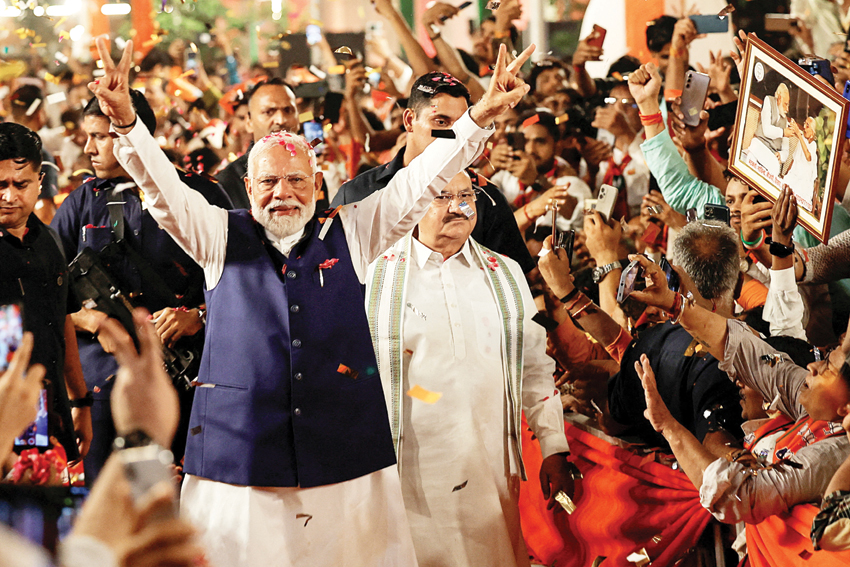
Modi’s political communication has revolutionised Indian politics. His direct connection with citizens through programs like “Mann Ki Baat” and extensive use of digital platforms has created a new template for political engagement. This communication strategy has not only enhanced his popular appeal but has also allowed him to build consensus around major policy initiatives.
His ability to maintain high approval ratings despite the normal challenges of governance reflects both the effectiveness of his policies and his skill in political communication. Opinion polls consistently show Modi as one of the world’s most popular elected leaders, a testament to his connection with the Indian populace and diaspora abroad.
International Statesmanship: India on the Global Stage
Multilateral Engagement
Modi’s approach to multilateral organisations reflects India’s growing confidence and capability. His recent participation in the Shanghai Cooperation Organisation (SCO) Summit demonstrated India’s ability to engage constructively even in forums where some members may have conflicting interests. His interactions with President Xi Jinping at such forums have contributed to managing India-China tensions while keeping channels of communication open.
India’s Indo-Pacific strategy, articulated under Modi’s leadership, has positioned it as a key player in the region’s security architecture. Partnerships with the United States, Japan, and Australia through initiatives like the Quad reflect India’s enhanced strategic importance and its commitment to maintaining regional stability.
Economic Diplomacy
Modi’s economic diplomacy has yielded significant dividends. Trade relationships with key partners have expanded substantially, while initiatives like the India-Middle East-Europe Economic Corridor demonstrate India’s vision for creating new economic connectivity frameworks. These initiatives position India as a bridge between different regions and economic systems. The success of Indian businesses globally, supported by government policies and diplomatic initiatives, has enhanced India’s economic soft power. Indian technology companies, pharmaceutical manufacturers, and service providers have become globally competitive, contributing to India’s positive international image.
Challenges and Future Prospects
Domestic Challenges
Despite significant achievements, challenges remain. Regional disparities in development, employment generation for India’s large youth population, and environmental sustainability concerns require continued attention. The opposition’s focus on issues like the Adani controversy reflects ongoing political challenges, though these have not significantly dented Modi’s popularity or policy momentum. The need to balance rapid economic growth with social equity and environmental protection presents ongoing challenges that will test the government’s policy innovation capabilities.
International Complexities
On the international front, managing relationships with major powers while maintaining strategic autonomy remains complex. The evolving geopolitical landscape, including changing U.S.-China dynamics and the ongoing conflict in Ukraine, requires careful navigation to protect India’s interests. Border management with China and the broader relationship with Pakistan continue to require sustained diplomatic and security attention. The challenge lies in managing these relationships without compromising on core national interests.
Vision 2030: The Road Ahead
Economic Aspirations
Looking ahead, Modi’s vision encompasses transforming India into a developed nation by 2047—the centenary of Independence. This ambitious goal requires maintaining high growth rates while ensuring inclusive development. The focus on manufacturing, services, and emerging technologies like artificial intelligence and biotechnology provides a roadmap for sustained economic expansion.
The semiconductor mission, critical minerals strategy, and space economy development represent new frontiers that could position India as a global technology leader. These initiatives require sustained investment and policy support over the coming years.
Global Leadership Role
India’s trajectory suggests an enhanced role in global governance. As the world’s most populous democracy and one of its fastest-growing economies, India is positioned to play a crucial role in addressing global challenges from climate change to economic inequality. Modi’s vision of India as “Vishwa Bandhu” (friend of the world) reflects this aspiration for global leadership based on inclusive development and shared prosperity. This approach could position India as a unique voice in international affairs—one that represents both developing and developed nation perspectives.
Technological and Social Transformation
The next phase of Modi’s leadership is likely to focus heavily on technology-driven transformation. Artificial intelligence, quantum computing, and biotechnology represent areas where India can achieve global leadership. The National Education Policy’s emphasis on innovation and entrepreneurship provides the foundation for this technological leap. Social transformation initiatives, including gender equality, rural development, and healthcare access, will continue to be priorities. The success of these programs will determine whether India’s economic growth translates into comprehensive human development.
Peroration: A Legacy in the Making
As Prime Minister Modi embarks on his third term at age 75, he does so with remarkable achievements already to his credit and ambitious goals for the future. His leadership has fundamentally transformed India’s economic trajectory, international standing, and domestic development paradigm.
The transformation of India from a country struggling with poverty and international marginalisation to one of the world’s fastest-growing economies and an increasingly influential global power represents one of the most significant political and economic achievements of the early 21st century.
Modi’s declaration that India is now a “new normal Bharat” reflects not just political rhetoric but a documented transformation visible in economic statistics, international relationships, and domestic development indicators. His ability to remain unruffled in the face of international challenges while maintaining focus on India’s long-term interests demonstrates the maturity and confidence that come with success.
The opposition’s continued focus on what Modi’s supporters consider “dead issues” reflects the challenge facing his political opponents: how to critique a leader whose major policy initiatives have largely succeeded and whose international stature continues to grow.
Looking forward, the prospects for continued transformation under Modi’s leadership appear bright. His track record of converting challenges into opportunities, combined with India’s fundamental demographic and economic advantages, suggests that the best may yet be coming. The vision to transform India into a developed nation by 2047 may seem ambitious, but given the achievements of the past decade, it appears credibly achievable.
Modi’s legacy will ultimately be judged not just on his individual achievements but on whether he has successfully positioned India for sustained success through the decades ahead. Current evidence suggests that he has indeed laid the foundations for India’s emergence as a major global power—economically, technologically, and diplomatically. As he continues to lead India into an uncertain global future, his combination of domestic transformation and international statesmanship provides a template for leadership that could well serve as a model for other emerging economies.
The journey from the India of 2014 to the India of 2025 represents one of the most remarkable transformation stories of our time. As Modi looks toward the future, both India and the world are watching to see how this remarkable leader will continue to shape one of the 21st century’s most important success stories.

By Karan Kharb
(The content of this article reflects the views of writer/contributor, not necessarily those of the publisher and editor. All disputes are subject to the exclusive jurisdiction of competent courts and forums in Delhi/ New Delhi only.)




















Leave Your Comment