


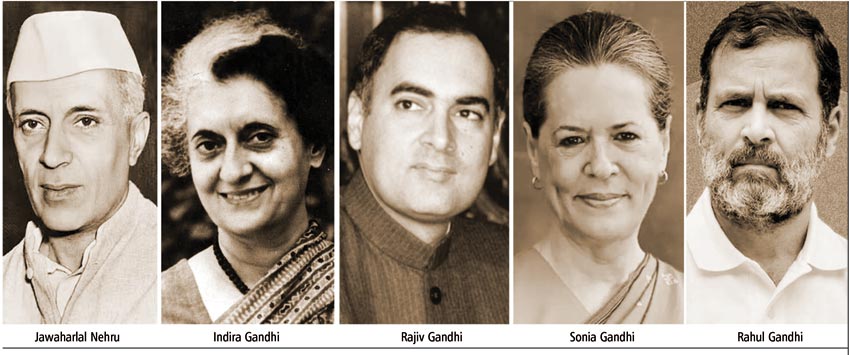
The Indian National Congress, once the torchbearer of India’s freedom struggle and a symbol of unity and diversity, has faced increasing criticism for its dynastic tendencies. While the party has been home to many stalwart leaders who made indelible contributions to India’s political and social fabric, it has often chosen to sideline or diminish the legacies of those outside the Nehru-Gandhi family. This pattern, evident across decades, raises questions about the party’s internal dynamics and its commitment to democratic ideals. From Jawaharlal Nehru’s era to the present day, the consistent neglect of leaders like Sardar Patel, Rajendra Prasad, LalBahadurShastri, P.V. NarasimhaRao, Pranab Mukherjee, and even Manmohan Singh has not only discredited the party’s image but also deprived the nation of a holistic acknowledgment of its history.
Nehru’s Actions: Ignoring Rajendra Prasad and Sardar Patel
One of the earliest instances of such behavior can be traced to Jawaharlal Nehru’s strained relations with SardarVallabhbhai Patel, the Iron Man of India. When Patel passed away in 1950, Nehru reportedly discouraged the then-President of India, Dr.Rajendra Prasad, from attending his funeral. This act was seen by many as an attempt to undermine Patel’s towering legacy and ensure that his contributions did not eclipse Nehru’s own stature.
Nehru’s disregard extended even to Rajendra Prasad himself. When Prasad passed away in 1963, Vice President Dr.SarvepalliRadhakrishnan, who later became the President, was reportedly advised not to attend the funeral. Furthermore, Nehru, in a letter to the Governor of Rajasthan, requested that the Governor refrain from attending Prasad’s funeral, despite being in the state at the time. Such decisions reflect a deliberate attempt to downplay the significance of non-Gandhi leaders within the party and the nation’s history.
Indira Gandhi’s Objections to Lal Bahadur Shastri’s Cremation
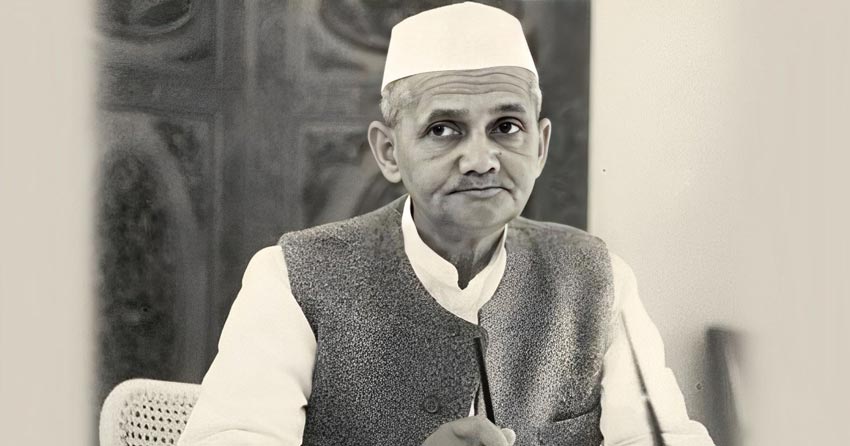
Indira Gandhi, who succeeded LalBahadurShastri as Prime Minister, carried forward the trend of sidelining non-family leaders. Shastri’s untimely demise in Tashkent in 1966 was followed by controversy regarding his funeral arrangements. Indira Gandhi reportedly opposed Shastri being cremated in Delhi, a city symbolic of national importance. This reluctance to accord Shastri a fitting tribute further highlights the Congress’s historical bias against leaders outside the family.
Sonia Gandhi’s Treatment of P.V. Narasimha Rao and Pranab Mukherjee
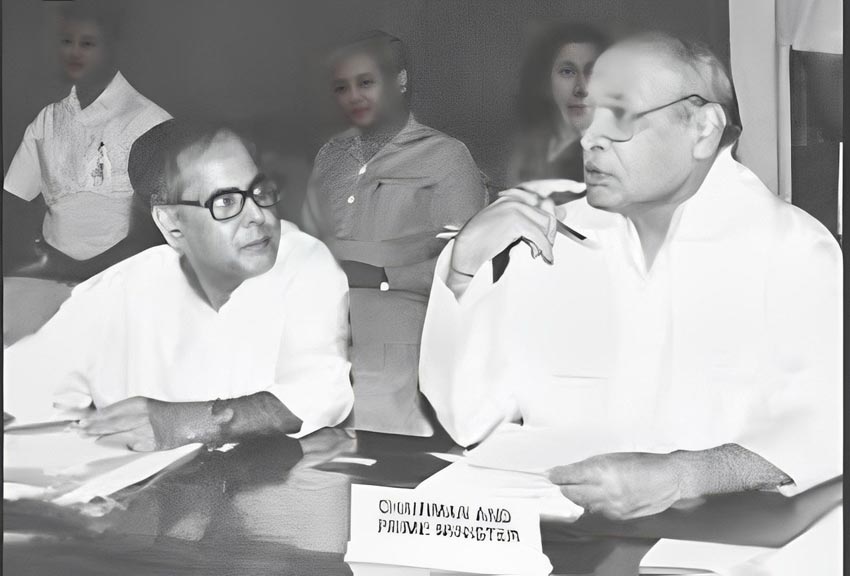
The tenure of P.V. Narasimha Rao, Prime Minister from 1991 to 1996, was marked by transformative economic reforms that steered India toward liberalization. However, Rao’s relationship with Sonia Gandhi was fraught with tension, as he was perceived as a leader who operated independently of the Gandhi family’s influence. When Rao passed away in 2004, his body was not allowed inside the Congress headquarters, and his funeral arrangements were notably low-key. This stark contrast to the treatment given to leaders from the Gandhi family was a glaring instance of neglect.
Similarly, Pranab Mukherjee, a veteran Congress leader and former President of India, faced a muted acknowledgment of his contributions by the party after his death in 2020. Despite his decades-long association with the Congress and his instrumental role in shaping its policies, Mukherjee’s demise did not receive the respect and recognition it deserved from the party leadership.
The Ongoing Neglect: Manmohan Singh’s Legacy in Jeopardy
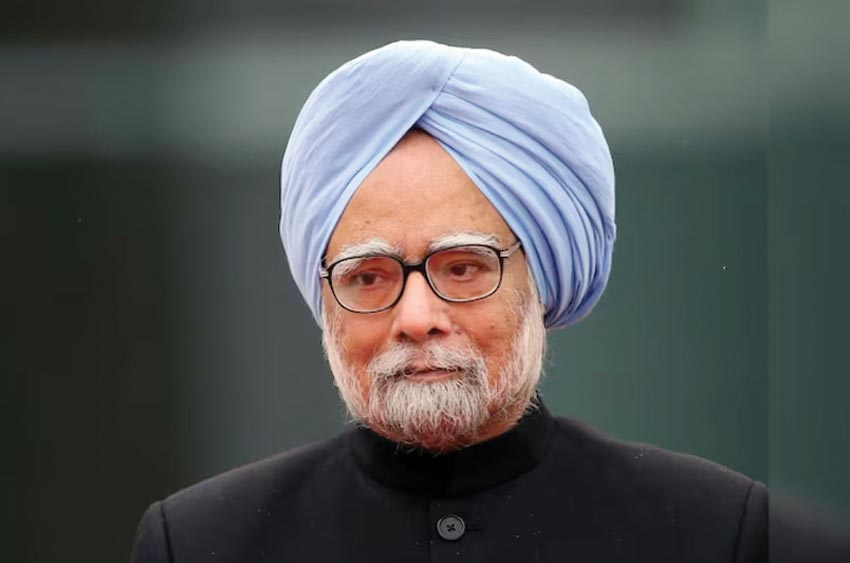
The same pattern seems to be repeating with Dr.Manmohan Singh, India’s former Prime Minister, whose death recently has elicited same response from Congress leaders. Despite Manmohan Singh’s exemplary leadership during two consecutive terms as Prime Minister and his pivotal role in India’s economic growth, the Congress has not shown any significant efforts to preserve his legacy or recognize his contributions adequately. This neglect underscores the party’s continued prioritization of the Nehru-Gandhi family over other leaders.
Uday India Bureau















Leave Your Comment