


Despite heightened tensions in West Asia, Indian-flagged vessels continue to successfully navigate the strategically crucial Strait of Hormuz, offering reassurance to India’s shipping and energy sectors. The latest vessel, Green Asha, has completed its transit, becoming the eighth Indian-flagged ship to pass through the narrow waterway since February 28, when the regional conflict escalated.
The continued movement of Indian vessels through one of the world’s most sensitive maritime corridors highlights both resilience and careful coordination. The Strait, which connects the Persian Gulf to global oceans, remains a vital artery for international energy trade. Nearly one-fifth of the world’s petroleum supply flows through this route, making any disruption a matter of global concern.
Shipping activity in the region has faced significant challenges in recent weeks. Iranian forces have reportedly targeted vessels perceived as hostile, particularly those transporting crude oil and liquefied petroleum gas (LPG). These developments have increased risks for commercial shipping, forcing operators to adopt heightened security measures.
Amid this volatile environment, another Indian-flagged vessel, Green Sanvi, safely crossed the Strait carrying approximately 46,650 metric tonnes of LPG. Its successful passage underscored the effectiveness of coordinated maritime and diplomatic strategies.
In a separate operation, the vessel MT Jag Vasant delivered around 47,000 metric tonnes of LPG to the Vadinar Terminal at Kandla Port in Jamnagar, Gujarat, on March 28. The cargo is set to be transferred through a Ship-to-Ship (STS) operation at anchorage, ensuring uninterrupted supply to domestic markets.
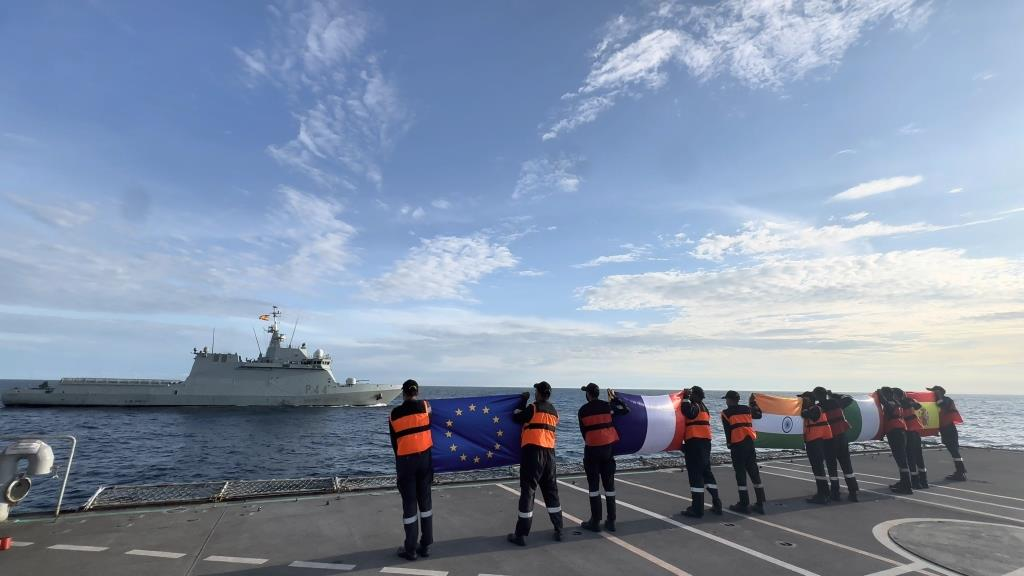
To safeguard maritime traffic, the Indian Navy has deployed warships on standby, ready to assist merchant vessels if needed. This precautionary measure reflects the seriousness of the situation and India’s commitment to protecting its commercial interests.
On the diplomatic front, Narendra Modi and S. Jaishankar have been actively engaging with Iranian authorities. Their efforts aim to ensure the safety of Indian ships and citizens operating in the region.
Adding to the reassurance, the Iranian Embassy in New Delhi recently stated that Indian interests remain secure. In a public message, the embassy emphasized that there is no cause for alarm, noting that “our Indian friends are in safe hands.”
The Strait of Hormuz remains one of the most critical maritime chokepoints in the world. Its narrow passage handles a massive volume of oil exports from major producers, including members of OPEC. Any instability in this region has immediate ripple effects on global energy prices and supply chains.
For India, which relies heavily on energy imports, the uninterrupted movement of ships through this corridor is vital. The successful transit of multiple Indian-flagged vessels in recent weeks not only ensures steady LPG supplies but also signals confidence in India’s maritime preparedness and diplomatic outreach.
As tensions persist, the coming weeks will be crucial in determining whether this fragile stability can be maintained. For now, India’s shipping lanes remain open—an encouraging sign in an otherwise uncertain geopolitical landscape.



















Leave Your Comment